
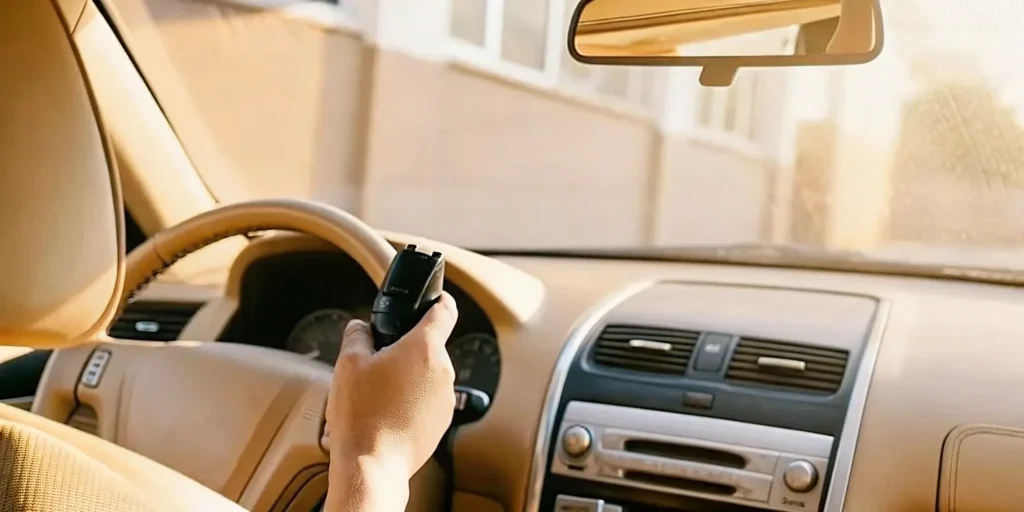
A rolling retest should never force you into an unsafe maneuver. The right response protects your safety and your ignition interlock compliance record on the road.
Get ignition interlock help from Budget IID before your next drive.
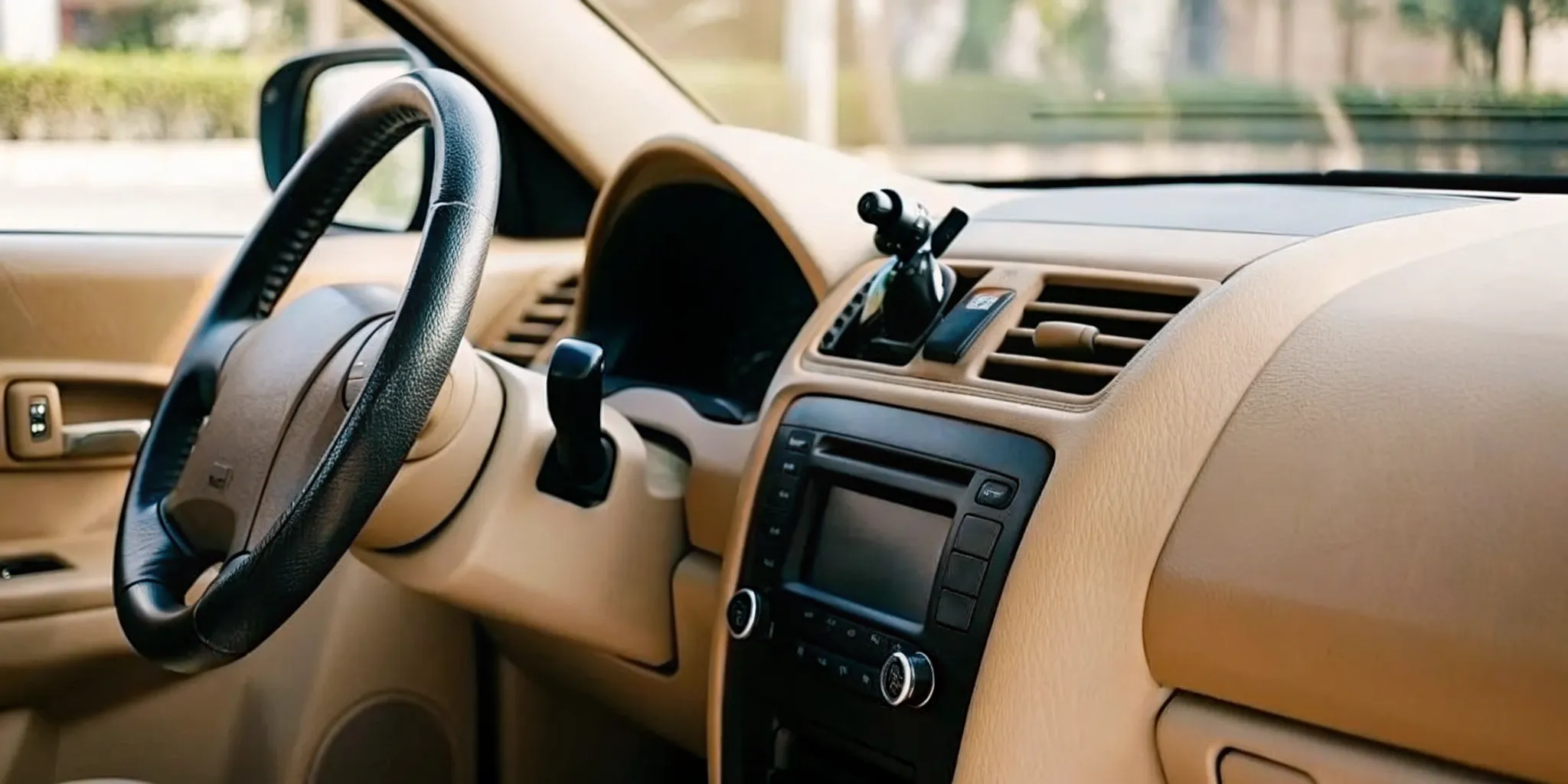
An ignition interlock rolling retest is a required breath test that occurs after your vehicle starts. It helps confirm the driver remains alcohol-free during the trip. When alerted, stay calm, keep driving only if safe, and follow the prompts within the allowed response window. Never rush, make a sudden stop, or handle the unit in a way that pulls attention from traffic. Safety remains the first priority. If conditions are unsafe, move carefully to a legal stopping place, then complete the test according to your provider’s instructions for your specific device. A missed, late, or failed retest may create a recorded event, so contact your provider promptly, explain what happened, and document the circumstances.
Drivers often want to know why the device asks for another sample after the engine is already running. The next section, What is an ignition interlock rolling retest?, explains the purpose, timing, and basic process so you can respond calmly. Here’s how.
What is an ignition interlock rolling retest?
An ignition interlock rolling retest is a breath sample requested after the vehicle has started. The device gives an alert, then allows a set time for the driver to provide the sample. This check confirms that the driver remains alcohol-free during the trip.
The word “rolling” describes when the request occurs, not how a driver must respond. A driver should follow the device instructions and local rules. If taking the test would be unsafe, the driver should pull over in a safe place first.
Why retests happen after startup
A clean startup sample only shows the driver’s breath alcohol level at that moment. A later request helps confirm that the same sober driver remains behind the wheel. It also makes it harder for another person to provide only the first sample.
The timing can feel random because that is part of the check. A retest may occur after the vehicle has been running for some time. The National Highway Traffic Safety Administration explains that an interlock program can require retests after a vehicle starts.
Initial test versus rolling retest
The initial test happens before the engine starts. The driver provides a breath sample, and the device checks it before allowing the vehicle to start. A rolling retest happens later, while the vehicle is already running.
Both tests use the installed device, but they serve different points in the trip. The first test controls startup. The later test checks continued compliance. Our guide to what an ignition interlock device is explains the device’s main parts and daily use.
What happens when the device alerts
The interlock gives a sound, light, or screen prompt when it needs another sample. The driver then follows the displayed steps within the allowed time. Prompts and time limits can differ by device and program rules.
A rolling retest request is not an instruction to stop in traffic or make a sudden move. It also does not mean the engine will shut off at once. Interlocks are built to record events and issue alerts, so the driver can respond without creating a road hazard.
Missed or failed retests may be recorded in the device log. That record may be reviewed under the driver’s program rules. Drivers can avoid preventable issues by keeping the mouthpiece within reach and watching for alerts throughout each trip.
How to respond safely when your device prompts you
An ignition interlock rolling retest asks for another breath sample while the vehicle is in use. The prompt does not mean you should stop watching traffic. Stay calm, listen for the device alert, and follow the instructions shown on your unit.
A safe response sequence
Use this process each time your device requests a rolling retest. Your device and state program may set different response rules. Do not rely on a memorized time limit.
- Keep control of the vehicle. Hold a steady course, watch traffic, and avoid reaching for the device before you can do so safely.
- Check the prompt safely. Listen for alerts, then follow the unit’s directions for preparing and giving the sample.
- Move to a safer place. If traffic or road conditions need your full focus, signal, slow down, and pull over where stopping is legal.
- Provide the sample carefully. Handle the device only when safe and use the breath pattern taught during installation.
- Confirm the result. If the unit requests another sample, remain calm and follow its next prompt.
- Record device issues. After you park, note what happened and contact your service provider if the prompt or result seems wrong.
Review Budget IID’s answers to common ignition interlock questions.
When pulling over is the safer choice
Do not let a prompt rush you into an unsafe move. Pull over when weather, heavy traffic, a turn, or another road hazard makes device use distracting. Choose a lawful stopping place, secure the vehicle, and respond as the device directs.
Never shut off the vehicle or ignore a prompt because you assume that will clear it. The device records events, and missed tests may affect compliance. Arizona law defines a rolling retest as a breath test given at random times after the vehicle starts. The state’s ignition interlock definitions explain this term.
If the retest does not go as planned
A failed or missed retest can happen for several reasons. An incorrect breath pattern or delayed response may cause an issue. Do not try to fix the problem while driving. Get to a safe place first, then follow any new prompt displayed by the unit.
Once parked, write down the time, location, alert, and result while the details are fresh. Call your provider when you need help with the device or its instructions. Budget IID’s ignition interlock support can help customers understand their unit and arrange service when needed.
Do not ask a passenger to provide the sample. The driver is responsible for responding to the rolling retest. A calm, repeatable routine helps protect road safety while keeping the device record accurate.
Why rolling retests are required
Proof that the enrolled driver stays behind the wheel
An initial breath sample only shows who started the vehicle. A rolling retest asks for another sample after the trip begins. This check helps confirm that the enrolled driver remains in control of the vehicle.
Without a retest, another person could provide the startup sample and then leave. The ignition interlock rolling retest makes that workaround harder. It supports the core purpose of an interlock program without asking the device to stop a moving vehicle.
A compliance record during the trip
Rolling retests also create a record of how the device was used after startup. The device can log requested tests, completed tests, missed tests, and detected alcohol. Program authorities can review that record when they check compliance.
Rules vary by state and program. For example, federal workplace testing rules describe retests as a way to confirm an alcohol result, though ignition interlock programs use their own procedures. The federal retest rule shows the broader compliance value of a second sample.
A prompt does not mean the driver should test while distracted. The driver should follow the device instructions and local program rules. If a safe response is not possible, the driver should pull over safely before dealing with the prompt.
Why every prompt matters
A missed rolling retest may be logged even when no alcohol is present. The record may not explain why the sample was missed. That is why drivers should treat each prompt as a required compliance step, not an optional check.
Test timing, warning signals, and reporting rules can differ by jurisdiction. They may also depend on the device and the terms of the driver’s program. Budget IID can explain device use and help drivers find a nearby service point through its location finder.
Rolling retests are designed to check continued use, not to surprise drivers. Knowing the prompt sounds and response steps before driving can reduce missed tests. It also helps create a clear record that the enrolled driver followed the program rules.
What happens if you miss or fail a rolling retest?
An ignition interlock rolling retest checks for alcohol after a driver has started the vehicle. Missing the prompt, refusing to test, and submitting a failed sample are separate events. The device records each event, but the result does not always lead to the same outcome.
Understand how an IID records tests and supports compliance.
Missed, refused, and failed retests
The terms can sound alike, yet they describe different actions. This table shows the basic difference and the safest next step after each event.
| Retest event | What it means | What the device may record | Helpful next step |
|---|---|---|---|
| Missed | No valid sample was given before the prompt ended. | A missed retest and its time | Complete any new prompt, then note what happened. |
| Refused | The driver chose not to give the requested sample. | A refusal or missed-test event | Contact the provider and supervising authority promptly. |
| Failed | The submitted breath sample did not pass the device’s set limit. | The result, time, and later test events | Follow device prompts and document relevant details. |
A missed prompt does not prove alcohol use. Road noise, a short prompt window, or trouble giving a valid breath sample may explain it. Still, the record matters because program staff may review the event log rather than the driver’s intent.
A refusal usually means the driver did not try to provide the requested sample. A failed test means the device accepted a sample but reported a result above its set limit. Drivers should not assume that either event will be treated like a simple missed prompt.
Possible program consequences
Consequences depend on the jurisdiction, court order, and monitoring program. They may also depend on the full event record and whether similar events appear more than once. Drivers should check the rules tied to their own case instead of assuming one result applies everywhere.
For example, Arizona ignition interlock requirements are overseen through the state’s motor vehicle agency. A provider can explain the device record, but only the proper supervising authority can decide a program consequence. Budget IID’s ignition interlock frequently asked questions can also help drivers understand common device and service issues.
Possible responses may include a request for more information, added monitoring, or another action allowed by the program. The event log can include the retest time and related device activity. That record helps the proper authority review what occurred.
What to do after an event
First, follow any new prompts shown by the device. Do not ignore later requests or try to bypass the unit. When it is safe, write down the date, time, location, prompt shown, and anything that affected the sample.
Then contact the ignition interlock provider promptly and explain the facts without guessing. Ask whether the device needs service and what records are available. If a court, licensing agency, or probation officer supervises the program, contact that authority as required.
Keep copies of service notes, messages, and any details you submit. Clear records may help the reviewing authority understand the event in context. They do not erase a missed, refused, or failed retest, but they give the reviewer useful facts.
How to prevent common rolling retest problems
Most ignition interlock rolling retest problems are easier to prevent than to fix. Build a simple routine before each drive, then stay alert for prompts. These habits can lower stress without taking your attention away from the road.
Prepare before you drive
Place the handset where you can reach it without searching or stretching. Check that nothing blocks the display or speaker. Before moving, make sure you understand the device prompts and the safe way to provide a sample.
Follow the professional installation and device training given by your provider because device steps can differ. Ask about foods, drinks, mouthwash, medicines, and other items that may affect a breath sample. Use only the cleaning methods and products your provider approves.
- Keep the handset secure, visible, and easy to reach.
- Listen for each prompt and respond only when it is safe.
- Keep water available if your provider recommends rinsing your mouth.
- Review device instructions when you are unsure about a message.
Respond safely to every prompt
A rolling retest prompt can occur while the vehicle is moving. Stay calm and follow your provider’s instructions. If road or traffic conditions make a test unsafe, look for a safe place to pull over.
Do not make sudden moves or stop in a travel lane. Plan ahead on longer trips by noting safe parking areas and exits. The Arizona Motor Vehicle Division ignition interlock guidance explains state requirements, but your provider can explain how your device works.
For local help, review available ignition interlock service locations before a trip. Knowing where to get support can help if the handset shows an unfamiliar warning.
Keep service and support on schedule
Attend every required service appointment and arrive on time. Regular service lets the provider check the unit and review stored device information. Add appointments to your calendar, then set an early reminder.
Report loose cables, damaged parts, repeated error messages, or missed prompts as soon as possible. Write down the time, displayed message, and driving conditions. Do not disconnect, repair, or alter the device yourself.
Keep your provider’s support number in your phone and vehicle. If a problem occurs, explain what happened and follow the steps they give you. Prompt reporting creates a clear record and helps the provider address device issues quickly.
What if a retest prompt comes at an unsafe moment?
Keep control of the vehicle first
An ignition interlock rolling retest can arrive while traffic, road work, or bad weather needs your full attention. Do not make a sudden move or let the prompt distract you from steering. Keep control of the vehicle and look for a safe place to stop.
Use your signals, slow down with care, and pull fully away from moving traffic when conditions allow. Avoid stopping on a curve, narrow shoulder, bridge, or other exposed spot. If no safe place is nearby, focus on the road until you can reach one.
Record what happened
Once safely parked, note the time, location, display message, sounds, and anything unusual before the prompt. Include whether the device accepted a sample or showed an error. These details can help your service provider review the event and explain the next step.
- Write down the exact message shown on the device.
- Note road, traffic, and weather conditions.
- Record any unusual device sound or behavior.
- Keep service receipts and related records together.
Do not take photos, type notes, or call while the vehicle is moving. Arizona drivers can review the Arizona Motor Vehicle Division ignition interlock guidance for state program information. Rules and required actions can vary, so use the instructions tied to your device and case.
Report a possible device problem
If you believe the device malfunctioned, contact your service provider as soon as you are safely parked. Describe the prompt and error without guessing about the cause. Follow the provider’s troubleshooting and service directions, but do not attempt to open, disconnect, or repair the unit yourself.
A missed or failed prompt may need prompt review, even when safety conditions affected your response. Ask the provider what records to keep and whether an inspection is needed. For nearby support, use Budget IID’s ignition interlock service locations to find a local option.
If the vehicle is not safe to drive, leave it parked and seek roadside help. Do not rely on a verbal guess that an event will not affect compliance. Preserve the details, contact the right provider, and follow any official instructions that apply to your situation.
Frequently Asked Questions
Does an ignition interlock rolling retest turn off the car while driving?
No. An ignition interlock device should not shut off a running vehicle during a rolling retest. Disabling the engine in traffic would create a safety risk. If a test is missed or failed, the device may record the event and trigger lights or a horn. Pull over safely, follow the displayed instructions, and contact the provider if any prompts are unclear.
How long do you have to complete an ignition interlock rolling retest?
The response window depends on the device settings and the requirements of the supervising program. Read the device display and respond as soon as conditions allow. Do not wait until the final seconds or rush while driving. When traffic or weather makes testing unsafe, pull over at the first safe, legal place. Ask the provider to explain the timing rules for your installed device.
What happens if you miss an ignition interlock rolling retest?
A missed rolling retest is generally recorded in the device log and may be reviewed by the monitoring authority. Consequences depend on program rules, driving history, and the reason for the missed test. Once safe, follow the displayed prompts and document the circumstances. Contact the provider promptly about device problems. Do not assume a missed test is excused because you completed a later retest.
Can a passenger take an ignition interlock rolling retest for the driver?
No. The driver should complete every requested rolling retest. Letting a passenger provide the sample can create a record that does not match the monitored driver’s actions. It may also count as a violation under the driver’s program rules. If the driver cannot safely provide a sample, pull over first. Follow provider instructions rather than asking someone else to use the device.
Ready to Manage Rolling Retests With Confidence?
Waiting to install or understand your ignition interlock can leave you less prepared when a rolling retest request appears during a drive. Starting now gives you time to learn safe response steps, build a steady routine, and reduce avoidable stress while driving. Clear preparation also helps you respond calmly, protect your focus, and stay ready to meet each requirement from the first day onward throughout your ignition interlock period.
Take the next step now, before another drive adds uncertainty to your compliance routine and makes the process harder to manage. Get started with a court-approved ignition interlock device to request support, understand the process, and prepare for rolling retests with a clear plan.