

Keeping your vehicle in good shape should not cause stress when you need a car repair with ignition interlock device installed. You can get routine service done without breaking rules by following a few steps. We help you work with your mechanic to keep your car running.
Need help scheduling your repair? Contact Budget IID support now.
Performing a car repair with ignition interlock device is a normal part of owning a vehicle that does not have to cause a breach of rules. You should tell your provider before any work starts so they can log the event and stop false reports from battery or power tests. You must keep the unit in good standing even when the car is in a shop for a long time. Your mechanic does not need special training to work on your car, but they must not touch the unit or try to skip the breath test. According to Budget IID, talking clearly with the shop is the best way to avoid trouble. Tell the staff about the unit and give them the user guide so they know how to use it safely.
You can protect your status by being ready for your next service visit. This Car repair with ignition interlock device: before-service checklist covers everything you need to know before you hand over your keys. The path begins with this simple list
Car repair with ignition interlock device: before-service checklist
You can get basic work done on your car while you have an interlock. But you must plan ahead to stay in line with the law. Use this list to get ready before you take your car to the shop.
Provider and shop talk
The top step is telling your ignition interlock company about the work. Your provider needs to know when the car will be in the shop. This helps them track any events like power loss or battery shifts. This is key for staying in line with rules during the repair process.
You should also talk to the shop pro early. Make sure they know your car has a breath device. Ask if they have worked on cars with these tools before. Most shops can handle it, but it is best to be sure. You do not want shocks when you drop off the car.
Needed items and travel plans
You need a few items ready for your visit. Bring your device guide with you. It helps the shop pro know how the tool works. You should also have a plan for how you will get home. If the car stays for a night, you may need a ride from a friend or a cab.
- Contact Budget IID first. Call us to report your service date and the name of the shop. This creates a record of why the battery might be unhooked.
- Check the repair shop info. Make sure that the pro knows they must not touch the unit. They should only work on the parts of the car that need repair.
- Bring the user guide. Give the shop the device book so they know how to use the breathalyzer. This stops errors when they need to move or start the car.
- Check your battery health. Ask the shop to test your battery. IIDs are built for low power use, but a weak battery can cause issues during long repairs.
- Plan for travel. Arrange a ride home in case the work takes more than a few hours. You cannot use the car if it is on a lift or in parts.
Common repair errors to avoid
Never try to skip or unhook the device on your own. This will count as an error and could lead to fines or a lost license. If the shop has questions, they can use our 24/7 help line. We can walk them through any ignition interlock troubleshooting steps they might need.
Keep your repair bills and notes. If the state asks about a power loss event, these papers will prove you were at a shop. Clear records protect you from false reports. Using these steps makes a car repair with ignition interlock device simple and safe.
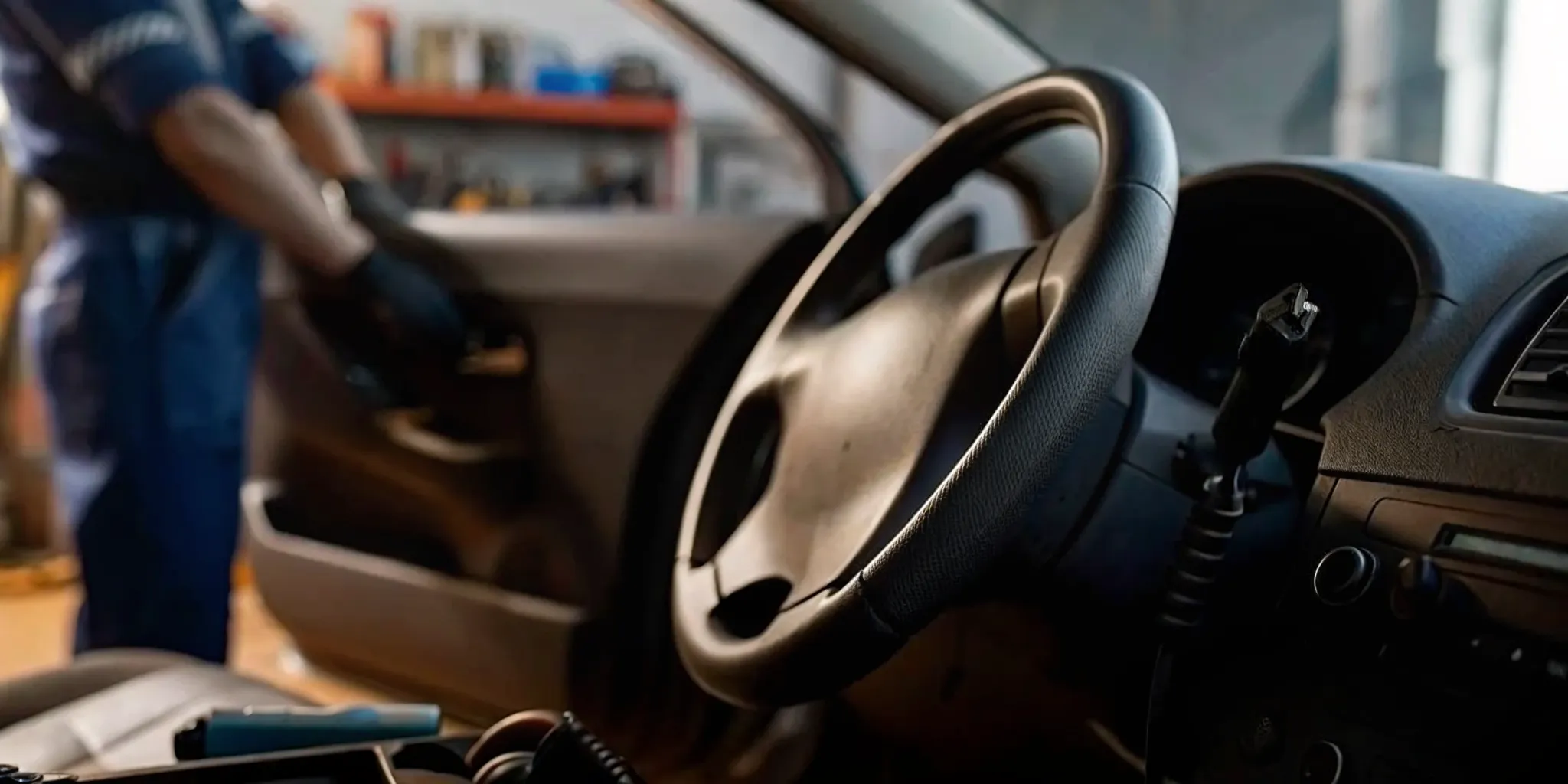
What should you tell the repair shop?
When you take your car in for service, you must be clear with the shop. Having a car repair with ignition interlock device means you have to share some key facts. The shop worker does not need a special license to work on your car. But they must know how to handle the tool safely to avoid issues. You should explain that the unit is part of your car’s wiring. Tell them that any work on the battery or power lines could trigger an alert.
Give clear instructions to the mechanic
Start by showing the tech where the device is. Explain that the unit uses a blow-only way for breath tests. This helps the team avoid being confused if they need to move the car. It is a good idea to leave your device book in the glove box. This gives the tech a quick guide if they have questions. You must warn them never to try to change or remove the unit. Any attempts to mess with the unit are logged and sent to state workers.
The shop should also know about rolling retests. These are breath tests that happen while the car is on the road. If the worker needs to test-drive the car, they must be ready to blow into the tube. If they miss a test, the car may honk its horn or flash its lights. This can look like a broken rule on your record. Clear talk helps prevent these mistakes before they happen.
Note the device on the work order
Always ask the shop to write a note on your work bill. This note should say that the car has an interlock device. It should also list the dates the car was in the shop. This record is key for notifying your ignition interlock company about the work. If the battery dies or is pulled, the device may flag it. Having a paper trail shows why the power was cut. It proves you were not trying to cheat the system.
Here is a quick shop handoff checklist:
- Show the tech the device and the mouthpiece.
- Explain the blow-only way for starting the car.
- Leave the user book in a place they can find it.
- Remind them about rolling retests during test drives.
- Ask them to record all work and battery swaps on the bill.
Keep your repair records
You are the one in charge of the device. Even when the car is with a shop, you must follow the rules. Since each job is different, you should call us before the work starts. If the shop has to keep your car for a long time, tell us right away. Long stays can lead to missed check-up dates. If you miss a date, your car could lock up. This would cost more money and time to fix. Always call us before big jobs start so we can help you stay on track.
Once you get your car back, check the unit for any odd signs. If it acts up, tell us fast. Keep all your shop bills in a safe place. These bills act as proof for the court if any alerts happen during the repair. Good records are your best shield against false claims of broken rules. We offer 24/7 help if your shop worker runs into a snag while working on your car.
How to handle battery and electrical repairs
When you have a car repair with ignition interlock device parts, you must watch the power. Your car battery gives the unit the juice it needs to work. If you unplug the battery without a plan, it might look like you tried to cheat the test. Most shops must cut power to fix electrical parts. You must know how to stay safe and follow the rules when this happens.
Working with your car battery
The battery is the core of your car’s power. If a shop needs to swap your battery or fix wires, they will likely unhook the cables. You must tell your provider before this work starts. Any change to the battery should be planned with your shop to keep your file clean. This helps make sure that a loss of power does not count as a mark on your record.
Some people worry that the unit will drain their battery while the car sits. These units use very little power to help stop this. But if the shop keeps the key in the “on” spot for a long time, the drain can grow. Tell your mechanic to use a battery charger if the car stays in the shop for more than a day. This small step keeps the power high. It helps you avoid a dead battery when you pick up your car.
New cars have complex power grids that may need a reset after a battery swap. If your car needs a new battery, the unit might need a new start as well. Your provider can tell you if you need to bring the car in for a check after the shop is done. Always keep your unit’s manual in the glove box. This way, the mechanic can read it if they have a question about the power wires or the ground.
Jump-starts and alternator care
A dead battery is a big pain, but jumping a car with an interlock needs a soft touch. High spikes in power from a jump can sometimes trip the unit. This can cause a lock-out or an error code. Always check your ignition interlock troubleshooting guide before you hook up any cables. If you can, use a slow trickle charger instead of a fast jump. This helps protect the unit from big power surges.
The alternator is also a key part of the power system. It charges the battery while you drive. A bad one can lead to low volts. The device may see low volts as a sign of a power failure. If your car needs a new alternator, ask the mechanic to write down the work times. This proof is key if you need to explain a power gap to the court. Having clear notes from the shop can save you from a lot of stress later.
| Repair Task | Normal Car Step | IID Best Practice |
|---|---|---|
| Battery Swap | Remove old unit | Call provider for an okay |
| Jump-Start | Hook up cables | Ask support for a guide |
| Alternator Test | Run engine at idle | Write down the time and date |
| Wiring Repair | Cut and splice | Do not touch unit wires |
| Long Shop Stay | Park in the lot | Use a battery charger |
Keep records of all shop work
Keeping good shop records is the best way to stay out of trouble. When you are notifying your ignition interlock company of work, ask what proof they want. Most will want a signed bill that shows the shop name and the work done. The bill should list the start and end times for any task that cut the power. This shows that a shop pro was in charge of the car during the power loss.
Never try to bypass or unhook the unit on your own to save time. This is a bad move that can lead to big fines or a lost license. Even if a mechanic says they can do it, tell them no. The unit must stay in place and untouched at all times. Do not let the shop move the wires that go to the device. Work with your shop and your provider. This helps you fix your car’s power with no risk to your goals.

What to do on the day of the repair
The day you take your vehicle in for service is the most important time for your interlock rules. You must ensure the shop staff knows how to use the device. Proper prep work helps you avoid false alerts or missed tests while the notifying your ignition interlock company process is active.
Arrival and shop handoff
When you arrive at the shop, do not just drop off your keys. You must talk to the person in charge of your car repair with ignition interlock device service. Explain that the car has a tool and give them the user guide if you have it. This keeps the device safe from harm.
Remind the shop that tampering with the device is a serious issue that gets reported to the state. Ask them to call you if they have any questions about how the unit works. Being clear about these rules protects both you and the shop during the repair.
Managing start requests
Mechanics will need to start your car many times. You should show them how to give a proper breath test. Budget IID devices are easy to use, but most mechanics may not know the right way to blow. If they fail a test, it could count as a hit on your record.
It is best to stay at the shop if the work is quick. If you must leave, make sure the shop has a way to reach you. If they need to move the car and cannot get it to start, they will need your help. You are still the person in charge of every test result the device logs.
Checking your device after service
- Ask for a list of all work done. Make sure the shop writes down the times they started the car and when they worked on the battery.
- Check the tool for any signs of damage. Ensure the wires are still tight and the screen turns on as it should.
- Check the battery status on the unit. Any changes to the car battery must be logged with your provider to keep your record clean.
- Perform a test blow before you leave the shop. This shows the unit is working and that no errors occurred during the service.
- Call our help team if the device shows any new warning lights. You can find help through our ignition interlock troubleshooting page if you have more questions.
Keeping good notes of your shop visit is very helpful. If the device logs an error, your repair receipt is your best proof of what happened. This keeps your driving path clear and your program in good standing.
Document the repair from start to finish
Keeping clear records is a key part of car repair with ignition interlock device rules. You need to track every step of the work to help your provider understand what happened to your car. Good records show that any power drops or device events were part of a real shop visit. While these papers help clarify events, they do not guarantee legal results if a rule was broken.
Save every shop paper
You should keep a full folder of all shop papers from your visit. This starts with the initial price estimate and the final repair order. Make sure these forms show the shop name and their contact info. These documents help prove your car was in a shop during a specific time. You can learn more by notifying your ignition interlock company before you start the work.
You must also save the final bill or invoice. This paper should list the date and time the work was done. It is also wise to keep notes on any battery work or power tests. For devices like the LCI-777, you should check your manual to see how car changes might affect your device. Following these device rules helps keep your interlock working right.
Track time and power notes
It is helpful to write down the exact times your car was in the shop. If the battery is unhooked, the device will log a power loss. Your records should match these logs to show the loss was due to a repair. You can also take photos of shop signs or work in progress as extra proof. Keeping these records is a smart way to manage ignition interlock troubleshooting and avoid confusion.
Detailed notes about battery work are vital. Many national studies show that device safety is a top goal for every program. These safety standards help ensure the device works as it should. Your notes on when the power was cut and restored can help explain your device logs. This habit helps you stay in control of your car and your device status while at the shop.
What if something goes wrong during service?
Sometimes a car repair with ignition interlock device does not go as planned. A mechanic might trip a sensor or the battery might die while in the shop. If you see an odd message or a lock on your screen, do not panic. Stay calm and act fast to protect your driving record. Record the exact time and any words shown on the device. Keeping clear notes helps us solve the problem later. Always keep your court papers with you when you visit a shop. If you are not sure what to do, stop and call us first.
Handle new lockouts or prompts
A car service can lead to a device lock if the mechanic moves the unit or tries to start the car without a test. Modern devices have tamper-detection features that log these events. If this happens, ask the mechanic for a signed work order. This paper proves the car was under their care. We can use these ignition interlock troubleshooting steps to clear the issue once the shop finishes their work. It also helps to bring your device manual to the shop. This gives the mechanic clear rules on how to work around the unit. Do not let the shop bypass the device.
Address battery and power issues
Many car repairs need the shop to unhook the battery. This can look like a tamper to the device. Any change to the car battery should be set up with your IID provider to keep you in the clear. Before the shop starts, let us know about the plan. If the battery dies, the device might need a reset. Do not try to fix the wiring yourself. This protects the state of the device and keeps you safe. Keep a copy of the receipt if the shop replaces the battery. This record is key for your next visit.
Stay in touch with support
If the device acts in a way you do not expect, reach out to us right away. We offer help around the clock for these issues. It is vital to call us before you try to drive the car home. Most devices need a check every 60 to 90 days. If your car needs a long repair, tell us so you do not miss this date. By notifying your ignition interlock company early, you avoid points on your record. Keeping good records of all work done on your car helps prove you followed the rules. Your safety and your record are our top goals.
After the repair: verify and protect your records
Completing a car repair with ignition interlock device units requires more than just picking up your keys. Once the shop finishes their work, you must ensure the device is still working as it should. Your goal is to stay in compliance while keeping your car on the road. Taking a few minutes to check the system now can save you from stress later.
Check the device and wiring
Before you leave the repair shop, do a quick visual check of your interlock device. Look at the handset and the wires connecting it to your dash. You should see no loose wires or open panels that were not there before. Do not try to fix or change anything yourself, as this could look like tampering. If you see something wrong, tell the shop manager right away. For more help with common device issues, you can check our page on ignition interlock troubleshooting.
Try to start your car while the mechanic is still there. If the device asks for a breath sample, give one and make sure the car starts normally. Look for any new warning lights on your dash. Modern units have tools to find bypass attempts. You want to be sure no accidental events were logged. According to the National Highway Traffic Safety Administration, device integrity is a top priority for safety programs.
Review and save your service records
Keep every paper the repair shop gives you. Your invoice should show the date, time, and the work done on your car. If the shop disconnected your battery, make sure that is written down clearly. These records are your best proof if the court asks about a power loss or a missed test. It is wise to keep these papers in your glove box so you always have them with you.
You may also need to send these files to your provider. Many people find notifying your ignition interlock company about the finished work helps avoid any confusion with state records. If you replaced your battery, the device might need a quick check-up from a pro. Experts from the University of New Mexico note that a new battery might mean your unit needs a new setup.
Resume your normal schedule
After a big repair, check your next calibration date. Most people must get their device checked every 60 to 90 days. If your car was in the shop for a long time, you might be close to your next visit. Do not miss this date, even if the car was not running. Staying on track with your service keeps you legal and ensures your device stays in top shape. If the unit acts odd after you get it back, call for help to fix it quickly.
Frequently Asked Questions
Can I get my car repaired if I have an ignition interlock device installed?
Yes, you can have your car fixed while an interlock device is in place. Routine service and repairs are safe to do if you follow a few simple steps. You should tell your shop about the device before they start any work. This helps them avoid any issues while they handle your car. As shown by Budget IID, these units are made to stay safe during normal shop visits.
Do I need to notify my IID provider before getting my car repaired?
Yes, you should tell your interlock company before your car goes to the shop. Many firms need to log the work to keep your record clean. This is very key if the job takes a long time or if the battery will be unhooked. Sending a report helps you stay in line with the law. Some firms even offer phone apps to make telling them about your car service fast and easy.
What happens if my mechanic needs to work on the electrical system of my car?
Electrical or battery work needs extra care when you have a device. You must call your interlock company for help before the shop starts. They may need to give a go ahead or record the event so it does not look like a violation. The NMTSC notes that unhooking the battery without telling your provider can cause a big problem. Keeping everyone in the loop is the best way to stay legal.
Should I provide my mechanic with instructions for the ignition interlock device?
Yes, giving the device book to your shop is a smart move. They do not need a special permit to work on your car, but they must know how the unit works. They should not touch the device itself. It is also good to show them how to blow into it if they need to move the car. The Budget IID guide says this helps stop any accidental harm to the unit.
Ready to request urgent ignition interlock support?
Putting off car repairs while you have an interlock device can lead to failed tests, sudden lockouts, and high fines. If you wait, a small power issue might cause a lockout that stops you from working or seeing your family when they need you. You do not want to risk your license because of a simple fix that took too long or a mistake made by your shop. Starting this work now makes sure you stay in line with the law and avoid the stress of a sudden lockout later on. You can keep your life moving and stay on the go by following the right steps for notifying your ignition interlock company.
Ready to contact our team? Contact us now to get urgent ignition interlock support.