
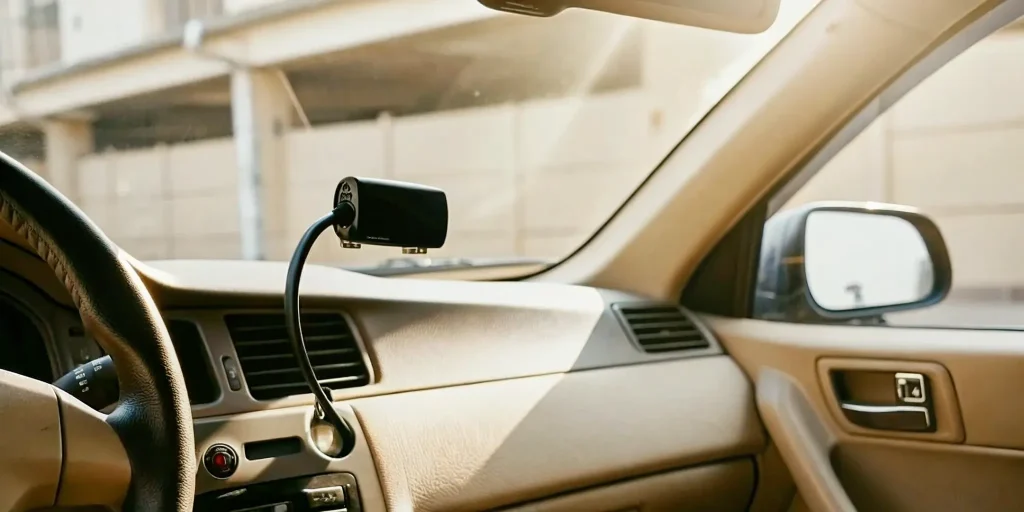
An ignition interlock camera helps verify who provides a breath sample at certain test events. The exact events captured and the rules for using images depend on your device and monitoring program.
An ignition interlock camera is designed to connect a breath-test event with an image of the person in the driver’s seat. Many systems capture event-based still images rather than continuous video. However, equipment, image access, and retention rules can vary by program. Ask your installer or monitoring authority for the rules that apply to you.
Knowing how your camera works can make each test less stressful. Start by understanding why the camera is part of the interlock system.
What an ignition interlock camera is designed to do
An ignition interlock camera is a small tool that helps you stay in line with state laws. Its main job is to show that you are the one using the tool. This device helps the court and the DMV know that you are driving safely. It acts as a clear record of your daily effort to get your full driving rights back.
Checking who is behind the wheel
The main goal of this tool is to prove who is giving the breath test. When you blow into the tool, the camera takes a photo of the seat space. This photo shows the person who is using the system at that exact time.
State rules often require photos of the driver seat space to show who you are. It makes sure that the person being checked is the one keeping the law. This helps prevent any mistakes in your record that could cause delays in your program.
The state needs this proof to know that the right person is in the car. It helps confirm that the driver is doing their program. These camera photos show the driver to ensure the system is used the right way.
This check is a key part of your path to driving again. It protects you by showing that you are the person who is meeting every rule.
Stopping fraud and cheating
One big reason for the camera is to stop people from cheating. In the past, some drivers tried to have a friend blow into the tool for them. Adding a camera helps to ensure the system is not fooled by some other person.
Many states now require this tool to keep the program fair and safe for all people on the road. The device also watches for any signs of messing with the lens. It can record if someone tries to block the view or hide their face during a test.
Doing these things is a rule break that the tool will record for the court. Each of these acts is a serious break of the rules. Keeping the camera clear is the best way to avoid extra fees or time on your plan.
Common ways people might try to trick the tool include:
- Blocking the view of the lens with a piece of tape or cloth.
- Moving the camera to point away from the driver’s seat.
- Hanging things from the mirror to hide the lens.
- Using a photo or a mask to try to fool the tool.
Linking photos to breath tests
The camera only works when you are taking a breath test. It does not record video or sound of you while you drive your car. It just snaps a still photo at the start of your trip and during random checks on the road.
This means it records camera use during rolling tests to prove you are still the one driving. You do not need to worry about being watched at all times. By pairing a photo with every breath test, the device builds a clear log of your use.
This log is sent to the state or your case worker for review. Allowed groups look at these photos to check your work. Keeping these records clear is the best way to show you are a safe driver who can be trusted on the road.
When does an ignition interlock camera take a picture?
An ignition interlock camera is a tool used to prove who is driving. It helps you stay in line with state rules by taking photos at set times. You do not need to worry about being filmed all day. These cameras do not record video or sound while you drive. Instead, they take quick still shots when the device needs a breath sample. This keeps your data private while meeting the law’s needs. The device does not watch your every move. It only snaps a frame when you blow. This means your private talks and rides stay private.
Many drivers worry that the camera is a spy in their car. This is not true. The lens stays idle most of the time you are on the road. It only wakes up when the interlock asks for a breath test. This saves power and respects your space. The photos show the driver’s seat area and your face. This is the standard way to prove you did the test yourself.
Startup and rolling retests
The most common time the camera works is when you start your car. You must blow into the device before the engine will turn over. At that exact moment, the camera takes a clear photo of your face. This proves to the court that you are the one behind the wheel. Many states, such as Iowa, now require this tech to stop people from cheating the system.
You will also face camera usage during rolling retests while you are on the road. These random checks happen to make sure you stay sober after the car is moving. When the device beeps for a test, you have a few minutes to pull over and blow. Just like the start test, the camera snaps a photo as you provide the sample. This keeps the record clean and shows you are following your program rules.
Failed samples and violations
If you fail a breath test, the camera will record the event. A failed test happens if the device finds alcohol on your breath. The camera takes a picture to show who was trying to start the car or driving at the time. This photo is key for the state to see if a broken rule was real or a mistake. It protects you if someone else was trying to use your car.
The ignition interlock camera records any missed tests as well. If you do not blow when the device asks for a retest, it marks it as a skip. The camera may take a photo of the empty seat or the driver to record the scene. This helps explain why a test did not happen. It is also a broken rule to block the lens or hide your face during a test. Doing so will lead to a report sent to the court.
Service and data checks
The camera may also take shots during your monthly service visits. When you go to a shop for a check, the tech will sync your data. Some devices take a photo when they connect to the shop computer. This confirms that the right car and device are being checked. It also shows the camera is still working as it should.
Rules for access and retention vary. Ask your installer or monitoring authority how long images are kept, who may review them, and how they are protected. Do not assume another driver’s program uses the same policy as yours.
What does the camera record?
The how ignition interlock cameras function process is simple. The device takes a still photo when you give a breath sample. This happens when you start your car and during rolling retests. These photos prove that the person behind the wheel is the one blowing into the device. Most state laws now need these cameras to stop people from cheating the system. The camera focus is on the driver seat area to get a clear view of your face.
What is in the photo
When the camera clicks, it saves a few key facts. It records your face and the area around the driver seat. It also marks the date and time of the test. These photos help the court or DMV know you are following the rules. Many states require this to make sure the breath tests are valid. For example, some state laws require photos of the driver seat area to track who is using the device. This data helps prove you are the one driving and keeping your program in good standing.
Privacy and passenger concerns
Many drivers worry about the privacy of their passengers. It is helpful to know that the ignition interlock camera records only still images. It does not record video or sound inside your car. The lens points at the driver, so passengers are usually not in the shot. Also, the device only takes a photo during a test. It does not watch you while you drive or when the car is off. This keeps your private life private while still meeting state requirements.
Who sees the images
The photos can help identify the driver linked to a test event. Who may access them and how long they remain on file depend on the program. Confirm those details with your provider or monitoring authority.
Is an ignition interlock camera always recording?
Many drivers feel worried when they see a camera in their car. You might think the device is watching all things you do. But an ignition interlock camera is not a dashcam that stays on all day.
It is a tool used to check who is taking the breath test. Its main goal is to help you follow the law and prove you are the person behind the wheel.
When the device snaps a photo
The camera only works during set times. It does not record video of your drive or listen to your talks. Most systems take a still photo when you blow into the handset to start your car.
This proves that you are the person giving the breath sample. It stops other people from blowing into the device to help you start the engine.
You will also face tests while you drive. These are called rolling retests. The camera will take a photo during these tests as well.
This check makes sure that you did not switch seats with someone else after the car started. You can learn more about camera usage during rolling retests to stay ready. These quick snaps protect your record and show you are staying sober.
| Feature | Event-Based Capture | Continuous Recording |
|---|---|---|
| Active Time | Only during breath tests | All the time while driving |
| Media Type | Still photos | Live video and sound |
| Storage Used | Very small files | Large video files |
| Primary Goal | Check your ID | Full surveillance |
| Common Use | Standard for most states | Very rare for IIDs |
Why courts require cameras
Most states now need these cameras to stop fraud. The photos prove that the driver is the one following the rules. This helps to ensure the interlock system is not being bypassed by using someone else’s breath.
Without a camera, it would be hard for the court to know who really blew into the device. The camera acts as a witness that supports your work in the program.
The camera also protects you from false reports. If the device logs a failure, the photo shows exactly who was in the seat. If you did not blow into the device at that time, the photo is your proof.
Just be sure to keep the lens clear. If you block the view, it counts as a big foul. You can check our guide on interlock camera records to see how to avoid these common mistakes.
How your data is protected
Your private life is key, and the state has rules to protect it. The photos taken by the device are not for the public to see. Only the state office or the people who run your case can view them.
Retention and access policies vary by jurisdiction and program. Review your paperwork and ask direct questions rather than relying on another driver’s experience.
This helps the court track your safety while keeping your life off the record. If you have fears, follow these steps to learn more about your program:
- Read the privacy policy from your device maker.
- Ask your case manager how long they keep your photos.
- Ensure your seat and camera are set up for a clear view.
- Confirm who has the right to look at your image logs.
How to avoid camera-related compliance problems
The ignition interlock camera helps the state know you are the one using your car. It is not there to watch everything you do. Instead, it takes a quick photo when you blow into the unit. This proves you follow the rules. If you keep the lens clear, you can avoid many common issues. Most states use these tools to stop fraud and keep the roads safe. Most state rules help confirm that the right person is behind the wheel.
Keep a clear view
The camera needs to see your face during every test. If the view is blocked, the state might think you are trying to cheat. This can lead to a program violation. You should always sit in the driver seat when you blow. Avoid wearing large hats or dark glasses that hide your eyes. If the unit cannot find your face, it may mark the test as a fail. This simple check keeps your driving path clear of legal blocks.
Manage your car space
Good light makes the camera work better. If it is too dark, the photo may come out blurry. Try to keep your cabin light on if you test at night. Also, keep the lens clean. Dust or smudges can make it hard for the unit to take a sharp image. If the lens is dirty, just wipe it with a soft, dry cloth. Do not use wet soaps that might hurt the glass or the parts inside.
- Pick the right spot. Keep the device in its mount when you are not using it. This ensures the camera is ready for the next check.
- Clear the path. Remove any items hanging from your mirror. Items like beads might trigger ignition interlock camera records that show a problem.
- Stay in your seat. Always sit in the driver seat for every test. Some state laws require the camera to see the whole driver seat area.
- Watch the lens. Never place tape or stickers over the camera. The device will record any block as an act of tampering.
- Check your light. If the sun is behind you, your face might be in a shadow. Move the car or tilt your visor to get a clear view.
- Note any issues. If something odd happens, call your service provider right away. Quick calls show you are trying to follow the rules.
Privacy and your data
Many drivers worry about where their photos go. These images are for the court and the DMV only. They are not shared with the public. Most data is kept for about three years to meet state laws. The system only takes photos during tests, so your daily life stays private. Knowing how these tools work helps you finish your program without extra stress.
How camera images can clarify a test event
When you use an ignition interlock camera, it takes a photo during each breath test. This step helps verify who is at the wheel. It also makes sure no one tries to skip the test. If your record shows an issue, these shots give proof of what took place in the car. This helps clear up any doubt about the test event.
Verifying who was driving
Many drivers worry about what happens when someone else uses their car. If a friend or family member fails a test in your vehicle, the photos will show you were not the one blowing into the unit. These camera photos identify the driver and can help you clear your name. State interlock rules say these tools are key to proving who gave the breath sample.
Fixing unclear images
A photo might look fuzzy due to low light or a blocked lens. You must keep the lens clean and free of items like hats or bags. If the lens is blocked, the state might mark it as a program violation. To avoid this, make sure the unit has a clear view of the seat. This follows state guidelines for identity checks. A quick check of the lens can save you from big problems later.
Following your program rules
Each state has its own rules for how long they keep data. Most keep photos for up to three years. Only the court or the DMV can see these files. To stay in the clear, you must follow all the rules for your program. This means taking every test and keeping the unit in good shape. By using the tool the right way, you show the court that you are safe on the road.
How to confirm the camera rules for your program
Rules for your device can change based on where you live or your court case. Every state has its own laws for an ignition interlock system compliance. Your court order might also have special needs for your program. It is vital to know these rules before you start your drive.
Why rules vary by program
Many state programs now need an ignition interlock camera to stop fraud. These laws help to ensure the right person is giving the breath sample. Some places want a photo of the driver seat area to show who is in the car. Other spots may only need a clear view of your face. These needs depend on your local DMV or the judge in your case.
Rules can also differ for first-time cases versus later ones. A court might ask for more checks if you have had past issues. Knowing the exact rules for your case helps you stay in the clear. It also prevents small errors from becoming big problems for your license.
Where to find official info
You can find the facts in your court papers or DMV letters. These papers list the exact tools you must use. If you are not sure, you should call your case agent. They can tell you if your case needs a camera.
You can also talk to your device maker or shop. They know the current local rules for each program. They can help you find the right setup for your car. Always get your info from official sources to avoid mistakes.
Questions to ask your shop
The shop is a great source for help. They set up the device and see how it works every day. You should ask them clear questions about the ignition interlock camera during your visit.
- Does my exact court order need a camera?
- Where will you place the camera in my car?
- How does the camera usage during rolling retests work for me?
- What happens if the camera cannot see my face clearly?
- How long will the state keep the photos from my device?
Answering these questions helps you use the device the right way. It also gives you peace of mind while you are on the road. Knowing the rules makes it easier to finish your program without any new issues.
Frequently Asked Questions
Does the interlock camera record you?
Most ignition interlock devices do not record video or sound while you drive. Instead, the camera takes a still photo when you give a breath sample. This helps prove that you are the one using the device. As Budget IID says, these cameras only take photos during tests. This process keeps your data private while you follow court rules. It ensures no one else can blow into the device for you.
What does an ignition interlock camera record?
The camera records a clear photo of the person sitting in the driver seat. It takes this image each time you blow into the unit. This includes the first test to start the car and any random tests while you drive. These photos prove who you are to the court. Per the Iowa rules, cameras stop people from cheating the system. They record your face to ensure you follow the law.
Is there a camera with an interlock device?
Yes, many states now need a camera to be part of the ignition interlock system. These cameras are small. They usually sit on the dashboard or glass. They connect to the main unit to see who is giving the breath test. This tool is common for DUI programs across the country. States like Virginia use these images to show that drivers follow all safety laws and program rules.
Who can see the images from my interlock camera?
Only a few people can see the photos from your device. These people usually work for the state tracking group or the device firm. Your privacy is safe under the law. The images are not for the public to see. State rules often set how long the firm must keep these files. Many areas keep data for about three years. These records show that you are following the rules and help you keep your right to drive.
Are you ready to get started with your installation?
Waiting to set up your car breathalyzer can cause more legal stress and high fines. Every day you wait is a day you lose your freedom to drive to work. You should book your session now to meet your court rules and stay safe. Starting now ensures you follow all laws and helps you move forward with no extra costs. You can also read our guide on how to avoid common violations to stay in line with the law. Our team is here to help you so you can focus on your future and your goals.
Ready to talk to a specialist? Visit our get started page to get started with ignition interlock installation.