
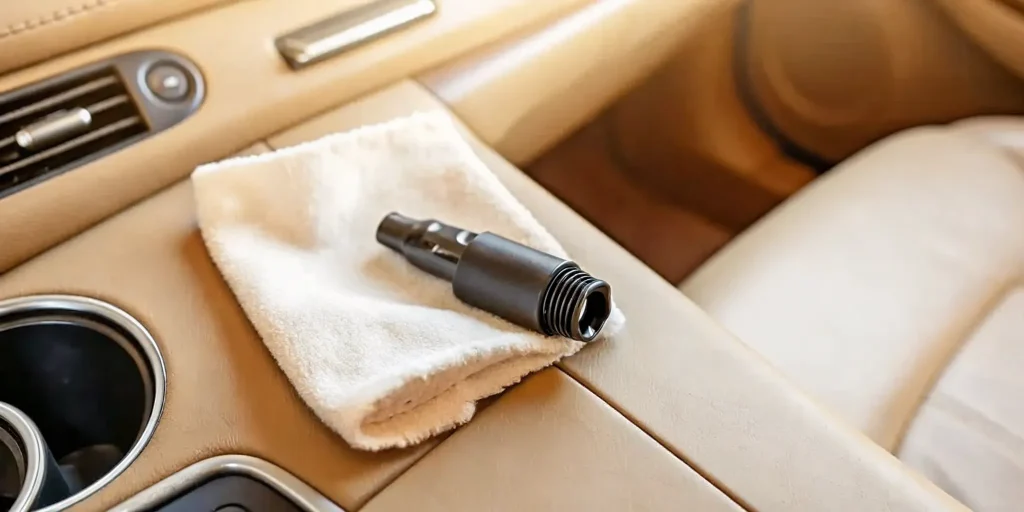
Dirty ignition interlock mouthpieces can collect harmful bacteria and cause device errors during routine breath tests.
How to clean ignition interlock mouthpiece units correctly is the best way to avoid device damage and keep your car safe. You should always remove the plastic mouthpiece from the handset before you start. Wash the mouthpiece by hand using warm water and mild soap to remove debris. Scrubbing with a soft brush is a good way to get rid of grime that builds up over time. It is vital to let the part air dry for at least fifteen minutes before you put it back on the device. According to the CDC, thorough cleaning is needed to make sure that any sanitation steps work well. Never use harsh chemicals or spray liquids into the handset. Extra moisture can break the sensitive sensors and lead to test failures.
Safe sanitation is a key part of your court program and helps you stay on the road without stress. Our guide explains the best way to handle your equipment without causing accidental lockouts or repair fees. The following steps show How to clean ignition interlock mouthpiece safely.
How to clean ignition interlock mouthpiece safely
Keeping your device clean is a key part of your daily task. A clean mouthpiece helps you blow clear samples and keeps your car ready to start. You must be careful not to get the main handset wet while you clean. Taking the right steps will help you stay on track with your court rules and keep your device in top shape.
Daily hygiene tips
You should look at your mouthpiece every day before you use it. Check for food bits or cracks that could change how you blow. If you see any dirt, it is time for a quick wash. Many drivers find that having extra mouthpieces makes this easy. You can swap in a fresh one while the other dries.
If you have questions about ignition interlock usage, you can always ask your service team. They can give you more tips on how to keep your gear clean in the dusty Arizona air. Keeping your hands clean before you touch the device also helps stop the spread of germs.
Safe cleaning steps
The best way to clean your mouthpiece is by hand with simple soap and water. You should not put these parts in a dishwasher unless the shop says it is okay. Follow these steps to get a deep clean without hurting the inside parts:
- Pull the mouthpiece off the handset. Never try to clean it while it is still joined to the device.
- Wash the part in a sink with warm water and mild dish soap. Do not use harsh bleach or strong cleaners.
- Use a small brush to gently scrub the inside. As the CDC says, using friction helps remove dirt and grime well.
- Rinse the mouthpiece with cool, clean water to remove all soap. Make sure no suds are left behind.
- Let the part air dry on a clean paper towel for at least 15 minutes. It must be bone dry before you put it back on the device.
Protect the handset
While the mouthpiece can handle water, the handset cannot. You must keep all liquids away from the main unit to avoid damage. A wet device may stop working or cause a lock-out. If you need to clean the outside of the handset, use a cloth that is only slightly damp.
Proper care is just one part of using your ignition interlock device safely. Never spray any cleaner into the holes of the unit. If you keep the handset in a clean case when you are not driving, it will stay much cleaner. This simple habit saves you time and keeps your car ready for the road.
Know which part of the device you can clean
Keeping your interlock device clean is a key part of your daily routine. It helps you stay healthy and ensures the device works well. But you must know which parts are safe to wash and which parts must stay dry. Most devices have two main pieces: a plastic mouthpiece and an electric handset. Knowing the difference keeps you from damaging your gear.
The plastic mouthpiece
The mouthpiece is the part you blow into when you give a breath sample. On most models, this part is made of plastic and is easy to take off. This is the only part of the system that you should wash with liquid. You can use warm water and mild soap to remove dirt or spit. Scrubbing is an old and trusty way to remove foreign matter like soil or organic stuff from objects.
If you want to know how to clean ignition interlock mouthpiece parts, start by taking it off the handset. If you have questions about ignition interlock usage, our FAQ page can help. Washing it by hand is better than using a dishwasher to keep the plastic in good shape. To clean your mouthpiece, you will need:
- Warm water
- Mild dish soap
- A clean towel for air drying
Once you finish washing it, let it air dry completely. Never put a wet mouthpiece back on the device, as water can leak into the inside parts. Keeping an extra set of mouthpieces in your car is a smart way to stay clean without waiting for one to dry. It also helps if you share your car with other drivers.
The electric handset unit
The handset is the brain of your ignition interlock system. It has small sensors and wires inside that help it measure alcohol levels. Because of this, you must never put liquid straight inside the handset. If water or soap gets into the inside parts, the device might fail. This could lead to a lockout or a costly repair bill. You should treat the handset like you treat your cell phone or other small tools.
You can still clean the outside of the handset. Use a damp cloth or a cleaning wipe on the outside shell only. Do not spray cleaners straight onto the unit. If you use a wipe, wait at least 20 minutes before you blow into the device. This time allows any vapors from the cleaner to fade so they do not cause a false result. Good care helps you succeed when managing your ignition interlock device on your daily drives.
Rules for your device
Every ignition interlock brand is a bit different. Some mouthpieces twist off, while others pull straight out. Some models may have special coatings that need special cleaners. Budget IID gives clear help for all the devices we install in Arizona and California. Always check your ignition interlock device user guide to see if your model has unique needs. Your manual will tell you how often to swap out the parts.
If you are not sure how to remove a part, do not force it. Breaking the plastic or the handset could result in extra fees or vehicle downtime. If the mouthpiece feels stuck, contact your service center for help. Your provider can show you the right way to take the device apart for cleaning. Following the rules set by your service team is the best way to keep your program running smoothly and keep your license safe.
What should you use and avoid?
Picking the right supplies for how to clean ignition interlock mouthpiece parts is key. Using the wrong soap or spray can cause big issues. You want to keep the device clean but avoid a false fail. This ignition interlock device user guide can help you stay on track with your rules.
Safe cleaning supplies
Mild soap and warm water are the best tools for this job. You do not need strong cleaners to get rid of germs or dirt. Simple dish soap works well to break down oils from your breath. Always take the mouthpiece off the unit before you start. This stops water from leaking straight into the handset.
Using a small brush can help you reach the tight spots. The CDC says cleaning works best with water and soap to remove soil. Friction is a key part of hand cleaning. It helps rub away any dried bits that might hide germs. After you wash the part, let it air dry on a clean towel. A dry part is safer for the sensor than one that is still damp.
Risky products and actions
Stay away from glass cleaners, bleach, or wipes with lots of alcohol. These products can leave fumes that the sensor might read as alcohol. If the device smells like a cleaner, it could trigger a fail. This could lead to a lock out even if you have not had a drink.
Never spray any liquid straight into the handset. Moisture can ruin the fragile parts inside the unit. If the screen or buttons get dirty, use a cloth that is just a bit damp. Wiping the outside is fine, but the inside must stay dry at all times. Do not try to use a hair dryer or oven to speed up the process.
| Supply or Action | Safety Level | Why it Matters |
|---|---|---|
| Mild soap and water | Safe | Cleans without adding bad fumes. |
| Small scrub brush | Safe | Removes dried bits from the part. |
| Bleach or ammonia | Risky | Can cause a false fail test. |
| Liquid inside device | Risky | May ruin the internal sensor. |
| Dishwasher cleaning | Risky | High heat might warp the plastic. |
Why wait times matter
Timing is just as key as the tools you use. After you clean the mouthpiece or wipe the unit, you should wait at least 20 minutes. This gives any smells time to clear out of the car. It also makes sure the plastic is fully dry before you blow into it.
If you are in a rush, it is better to use a fresh, spare mouthpiece. Keeping a bag of clean parts in your glove box is a great tip. This keeps you safe and helps with managing your ignition interlock device. You can wash the dirty ones later when you have more time to let them dry. If you have more questions about ignition interlock usage, talk to your local shop.
Daily habits that keep the mouthpiece ready
Keeping your ignition interlock device clean is a key part of your daily routine. A clean unit helps you avoid false test results and keeps the hardware in good shape. It only takes a few minutes each day to ensure your device stays ready for every trip. By building small habits, you can make the process easy and stress-free.
Simple cleaning routine
The best way to manage your device is to learn how to clean ignition interlock mouthpiece parts with safe items. You should always remove the mouthpiece from the handset before you start. This keeps moisture away from the sensors inside the main unit. The CDC says cleaning works best with water and soap to remove soil and food bits.
Wash the mouthpiece in warm, soapy water by hand. Hand washing is safer for the plastic over time than a dishwasher. You can use a small brush to scrub the inner areas where dirt might hide. Once you finish washing, let the part air dry on a clean towel for 15 minutes. Never put a wet mouthpiece back on the device, as liquid can cause damage.
Proper storage habits
Where you keep your device when you are not driving matters a lot. You should store the handset in a clean case or a small bag when it is not in use. This protects the unit from dust and dirt that might get into the tube. Keeping the device in a dry spot also prevents mold from growing in the damp areas.
If you live in Arizona or California, be mindful of the heat in your car. Very hot or cold weather can hurt the inner parts of the device. If you are managing your ignition interlock device in high heat, try to keep it out of the sun. You should also keep extra mouthpieces in your glove box so you always have a fresh one.
Preventing food buildup
Food and drink bits are common causes of a dirty mouthpiece. To keep the unit clear, try to rinse your mouth with water before you take a test. This removes sugar and food bits that could stick to the plastic or the sensor. If you have just eaten, wait a few minutes before you blow to ensure your breath is clear.
Never use harsh chemicals or sprays on the mouthpiece itself. These items can leave a film that might trigger a fail on your next test. If you use a wipe to clean the outside of the main handset, make sure it is only slightly damp. You should wait 20 minutes after you clean the device body before you give a breath sample.
When should you request a replacement mouthpiece?
It is vital to keep your mouthpiece in good shape for clear breath tests. While you should know how to clean ignition interlock mouthpiece parts, some issues need a new part. A worn part can lead to air leaks or bad readings. You should check your test part for wear and tear each time you use it. Using a clean and whole part helps the tool work the right way every time you blow.
Look for visible signs of wear
Small cracks or chips in the plastic are a major sign that you need a new part. These cracks can let air escape while you blow into the device. If the air flow is not steady, the tool may not get a good sample. This can cause a test to fail or error out. You should also check how the part fits on the handset. If it feels loose or wiggles, it might not seal right. This seal is needed to guide your breath into the sensor.
A loose fit often happens when the plastic gets soft or worn down over time. Do not try to fix a loose part with tape or glue. These items can block the sensor or add fumes that mess with your test. If your part does not snap into place, reach out to your service shop for a new one. Using an ignition interlock device user guide can help you find these fit issues early.
Address bad smells or deep grime
Even with daily care, dirt and spit can build up in the small gaps of the plastic. This grime can hold germs and lead to bad smells. The CDC notes that cleaning works by using water and soap to remove soil and old matter. But if the plastic becomes stained or keeps a bad smell, it is time to throw it away. Dirt that gets stuck in the corners can be hard to reach.
Deep stains often mean that the grime has moved into the plastic itself. You cannot scrub this out without hurting the part. If you see dark spots or yellow areas that will not go away, do not keep using the part. A fresh part ensures your tool stays clean and safe to use. Keeping your handset in a dry place also helps stop these issues. A dry storage spot keeps mold and bad odors from growing on the plastic surface.
Get new parts during service visits
You do not have to wait for a part to break to ask for a new one. Your set service visits are the best time to get fresh supplies. Most shops keep extra mouthpieces on hand for their clients. If you have questions about ignition interlock usage or part wear, ask the tech during your visit. They can check your tool and give you a new part if yours looks worn. They can also show you the right way to snap the part on.
It is a good idea to keep a few spare parts in your car. This way, you can swap a dirty one for a clean one right away. Never try to buy cheap parts from unknown sites. These may not fit your tool or meet court rules. Always get your parts from your local service center to follow the law. Getting parts from your local shop keeps your case in good shape and helps your car start when you need it.
What if the device has a problem after cleaning?
Most issues after you clean your unit come from moisture or loose parts. If you follow the right steps, you can often fix these problems at home. But you should always be careful not to damage the sensor or the handset while you work on it.
Handling liquid in the handset
If liquid gets inside the handset, you must act fast. Never put water or soap directly into the unit openings. If the handset gets wet by mistake, wipe it dry right away with a soft cloth to stop internal damage. You should keep the device dry to protect the sensors that read your breath samples. Do not try to use the unit until it is fully dry. Wet parts can cause short circuits or bad readings.
Checking the mouthpiece fit
A loose or poorly fitted mouthpiece can cause an error message. When you put the piece back on, make sure it clicks into place and has no gaps. A tight seal is needed so your breath goes directly into the sensor. If the piece is cracked or worn out, do not try to fix it with tape or glue. Instead, use a new one to ensure your ignition interlock device user guide steps work as they should. Using damaged parts can lead to air leaks that make the unit fail to read your sample.
Resolving device error codes
Sometimes the screen may show an error code after you wipe it down. This often happens if you use too much liquid or if the unit is still damp. Most experts suggest that you let your device air dry for at least 15 minutes after you clean it. If the error stays on the screen, try to reset the unit by unplugging the cord and plugging it back in if your model allows it. For any persistent issues, you should check our questions about ignition interlock usage to find help for your unit.
When to call for support
If you have tried to dry and reset the unit but it still does not work, it is time to call for help. Do not take the unit apart or try to fix the internal parts yourself. This could break your lease or cause a violation with the court. Our team at Budget IID can help you find out if the unit needs a repair or a swap. You can reach out to us for a quick answer so you can stay on the road without any stress.
Frequently Asked Questions
How do you clean an ignition interlock mouthpiece?
You should first take the mouthpiece off the device. Wash it by hand with warm water and mild dish soap. Do not use strong soaps that might stay on the piece. After washing, rinse it well and let it dry in the air on a clean spot. Expert sources like Smart Start say you must let the part dry for 15 minutes before you use it.
Can I put my ignition interlock mouthpiece in the dishwasher?
Some say it is safe, but you should not use the dishwasher. The high heat and strong soaps can harm the plastic or change its shape. Washing by hand with warm water and soap is the best way to keep the part clean and safe. This path helps the part last longer and keeps your tests right. Always make sure the part is dry before you put it back on.
Should I use disinfectant to clean my ignition interlock device?
You can use a cleaning wipe on the outside of the device box, but never on the mouthpiece. Strong soaps from wipes can get inside the unit and cause it to fail. If you use a wipe on the case, make sure it is just damp and not wet. Source Intoxalock notes you should wait 20 minutes after you clean the case before you blow into the unit.
How often should I clean my ignition interlock mouthpiece?
You should clean your mouthpiece at least once a week to stay clean and healthy. If you are sick or if someone else drives your car, you should clean it more often. Daily cleaning removes dirt and germs that can build up. Keeping a few spare mouthpieces in your car is also a good idea. This way, you always have a clean one ready to use while the other one dries.
Ready to get expert help with your ignition interlock device?
If you do not clean your mouthpiece now, dirt and spit will build up and cause your breathalyzer to fail or stop working. A failed test or a device lockout can hurt your driving record and cost you a lot of time and money to fix later. Acting today keeps your car ready to drive and ensures you stay in full compliance with the law without any stress or delay.
Ready to get expert help? Contact Budget IID support to talk to a local expert about your device and keep your car running well. You can also find more tips on our questions about ignition interlock usage page to help you stay on the road safely.