
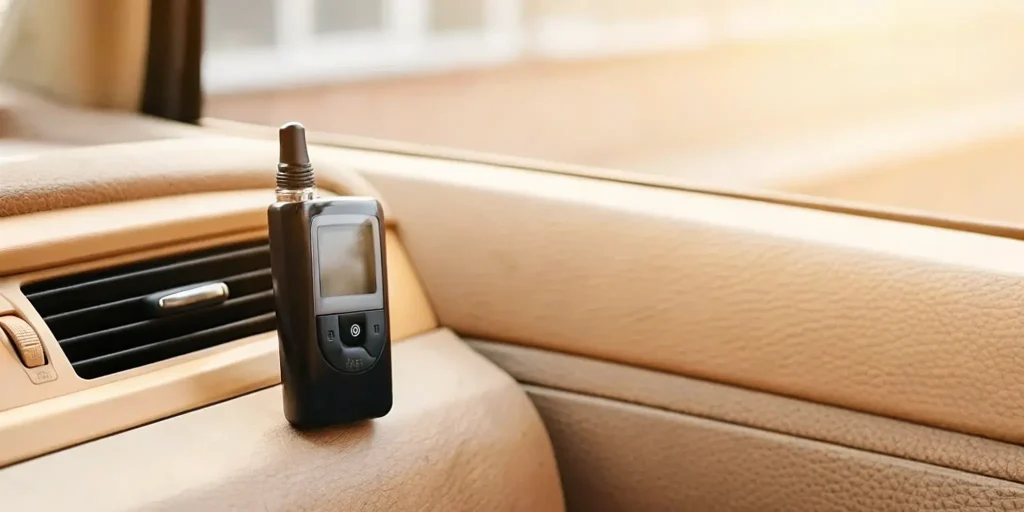
Everyday items like mouthwash or sourdough bread can trigger a false alert on your ignition interlock. These small traces of alcohol are enough to stop your car from starting and cause major frustration. Learning how to prevent these errors ensures you stay legal with Arizona and California road laws.
To prevent false positive alcohol readings, you must keep your mouth and the car cabin free of trace ethanol from food or cleaners. These errors often occur when the sensor detects leftover alcohol from mouthwash, hand sanitizer, or fermented foods like pizza dough. According to research published by the National Institutes of Health, alcohol from mouthwash can cause high readings that usually clear within ten to fifteen minutes. You can avoid these spikes by rinsing your mouth with water and waiting twenty minutes after eating or using cleaning products before you blow. Keeping your car cabin clear of cleaning vapors also helps the sensor. Budget IID uses fuel cell technology to help you stay legal and avoid these common mistakes.
Understanding the causes of these alerts is the first step toward a smooth program. You need to know exactly What is a false positive alcohol reading on an ignition interlock device? before you can stop them. The path begins with
What is a false positive alcohol reading on an ignition interlock device?
A false positive alcohol reading is a result that shows alcohol is in your breath when you have not had a drink. These alerts can be stressful for drivers. You may feel like the tool is not being fair. Most people think these devices are perfect, but they can pick up tiny bits of alcohol from other things. These are often called “nuisance” readings. Knowing how they happen is the first step in avoiding ignition interlock violations. Most false alerts are short and easy to clear if you know what to do.
Mouth alcohol versus blood alcohol
It is vital to know the gap between mouth alcohol and blood alcohol level. Your blood alcohol level shows how much alcohol is in your blood. This comes from drinks that your body has used. Mouth alcohol is not the same. It is just a tiny bit of alcohol left in your mouth or throat. It can come from foods, mouthwash, or even some health issues. These traces do not mean you are drunk or unsafe to drive.
The device cannot always tell where the alcohol came from at first. It just sees the tiny ethanol bits in the air you blow. Since mouth alcohol is not in your blood, it usually goes away fast. Most of the time, it clears out in about 15 minutes. This is why many systems ask you to wait and try again if you fail the first test. This wait time gives your mouth a chance to clear out any trace items.
How fuel cell sensors detect ethanol
Budget IID uses new fuel cell sensors in its devices. These are not the same as older tools. Older units used simple chips that could be tricked by things like smoke or hair spray. New electrochemical fuel cell sensors are much better. They are made to react only with alcohol. This helps to cut down on false alerts from things that are not a drink. It makes the device much more steady for daily use.
These sensors work by causing a small chemical change. When you blow into the tool, any ethanol creates a tiny electric current. The device measures that current to find your alcohol level. This high level of focus makes the tool fair. It is built to ignore most of the other gases found in a car cabin. This tech is why courts and states trust these units to keep roads safe.
Common causes of false alerts
Even with good tech, some things can still cause a slip-up. For example, a very low-carb diet can be a factor. A study on ketogenic diets found that they can lead to false-positive results. This happens because the body makes acetone when it burns fat for fuel. Some older tools might mistake this for alcohol. But the fuel cell sensors used by Budget IID are less likely to have this problem. They are built to ignore acetone and focus only on ethanol.
Health issues like acid reflux can also play a role. This problem can bring stomach gas up into your mouth. If that gas has trace alcohol from food, it might trigger the sensor. If you have a health issue like this, you should tell your IID team. They can help you find ways to give a clean sample every time. Rinsing your mouth with water is often the best way to keep your tests clear and steady.
Can food cause a false positive ignition interlock reading?
Yes, certain foods can trigger false positive alcohol readings on your ignition interlock device. This usually happens when trace amounts of ethanol linger in your mouth after you eat. While these traces are small, they can be enough to alert the sensors. Knowing which foods cause these alerts can help you stay compliant and avoid stress.
Yeast and fermentation
Foods that rely on active yeast are common causes for false alerts. During the baking process, yeast ferments sugar and produces tiny amounts of ethanol. While most of this evaporates, some can remain in the dough. Sourdough bread and pizza dough often have high levels of yeast fermentation that can trigger a sensor. Pastries and other baked goods may also harbor enough trace alcohol to cause a false reading if you blow into the unit right after eating.
Sugary foods and natural sugars
Sugary foods and drinks can also lead to yeast fermentation in the mouth. This process happens when natural bacteria or yeast react with the sugars you just ate. Some fruits can also produce trace ethanol as they ripen. Even breath mints or gums with sugar alcohols can cause a short spike. These small amounts do not mean you are drunk, but they might be enough to register on the device.
How to clear your mouth before a test
The best way to avoid a food alert is to keep your mouth clean. The Arizona Department of Transportation says to rinse your mouth with water before you take a breath test. This simple step helps wash away food bits and trace alcohol. You should also wait at least 15 minutes after eating before you blow into the unit. This gives your mouth time to clear and ensures a clean sample.
Common household substances that trigger false breathalyzer results
Many everyday items in your home contain alcohol. These products can lead to false positive alcohol readings if you use them right before you blow. It is vital to know which items to watch for. This help keeps your driving record clean while you use your ignition interlock device.
Mouthwash and breath sprays
Most common mouthwashes use alcohol to kill germs. Using these products can cause high readings on a breath test. A study shows that mouthwash can lead to readings as high as 0.15% right after use. This level is well above the legal limit for drivers. These high readings from mouthwash usually go away in 10 to 15 minutes. To stay safe, you can switch to a non-alcoholic brand. These brands do not cause any issues for your device.
Hand sanitizer and cleaners
Hand sanitizer has become a common part of daily life. However, these gels often use ethanol. Using hand sanitizer can trigger false positive readings on your breathalyzer. The risk is higher if you use a large amount. It is also a risk if you do not let it dry. Cleaning sprays can also cause problems. Using products with alcohol inside your car can leave vapors in the air. These vapors can trigger the sensor even if you have not had a drink. Keep your car windows open after you clean the cabin.
Baking and cooking items
Some cooking items have a high alcohol content that many people do not expect. For example, vanilla extract can be up to 40 percent alcohol. Other items like cough syrup or cold medicine also contain ethanol. Even small breath mints or gums can cause a device to fail if you take them right before a test. It is best to wait at least 15 minutes after you eat or use any health product before you blow.
| Substance. | Alcohol Content. | Typical Decay Time. |
|---|---|---|
| Alcohol-based mouthwash. | High (up to 25%). | 10-15 minutes. |
| Hand sanitizer. | 60-70% ethanol. | 2-5 minutes (dry time). |
| Vanilla extract. | 35-40% ethanol. | 10-15 minutes. |
| Cleaning sprays. | Variable. | 5-10 minutes (venting). |
| Breath mints/gum. | Trace amounts. | 2-5 minutes. |
Knowing about these risks helps you avoid stress and lockouts. If you have a reading that you do not understand, Budget IID LLC offers 24/7 support. Our team can help you figure out what happened. We are here to make sure your path to compliance is smooth and easy.
Does my medical condition affect my ignition interlock results?
Most drivers know that certain foods or mouthwash can lead to false positive alcohol readings. But you might not know that your own health can also play a role. Some medical issues change how your body breaks down sugar or moves stomach acid. These changes can put trace amounts of alcohol or other gases in your mouth. When you blow into the device, it might flag these as a sign of drinking.
Acid reflux and GERD
Acid reflux and Gastroesophageal Reflux Disease (GERD) are common causes of breath test issues. These health issues cause stomach acid and small bits of food to move back up into your throat. When this happens, gases from your stomach enter your mouth. These gases often contain tiny amounts of alcohol that come from how you break down food. Your interlock device may pick up these gases and show a high reading.
If you suffer from GERD, you are not alone in this struggle. Many people face this when they must use a breathalyzer daily. It is helpful to rinse your mouth with water right before you blow. This can clear out some of the gases that move up from your stomach. Keeping your device in a clean part of your car also helps it work well.
Diabetes and ketogenic diets
Your diet or your blood sugar levels can also change your breath chemistry. People with diabetes or those on a ketogenic diet often produce a substance called acetone. In the past, older breath tests often mistook acetone for ethanol. Ethanol is the type of alcohol found in beer and wine. A study on ketogenic diets and breath tests shows that these diet changes can impact your results.
Budget IID uses modern fuel cell sensors to help prevent this error. This system is built to find the exact alcohol used in drinks. It is much less likely to flag acetone from a diet as a positive result. Using these smart tools is a great step toward avoiding ignition interlock violations during your program. This helps you keep your life moving without extra stress or stops.
Submitting medical notes
If you have a long term health issue, you should take steps to protect your record. Talk to your interlock provider and your state agency about your health right away. You should ask your doctor for a signed note that explains your medical history. This note should list any issues like GERD or diabetes that might affect your breath tests.
Giving these notes to your monitoring agency early is a smart move. If the device ever flags your breath, you will already have proof of your health issue on file. This makes it much easier to dispute a bad reading. It shows that you are honest and that you want to follow all the rules of your court order.
How to avoid false positive alcohol readings on your interlock device
The best way to prevent false positive alcohol readings is to follow a clean testing routine. Small traces of alcohol from food or drinks can stay in your mouth and trigger the device. By taking a few simple steps, you can ensure your results are right every time. This helps you in avoiding ignition interlock violations and keeping your driving record clean.
Keep your mouth clear
You should always rinse your mouth with water before you blow into the device. This is the official advice from the Arizona Department of Transportation to clear out food bits. Water helps wash away sugar or yeast that might cause a bad reading. It also helps to wait at least 15 to 20 minutes after you eat or drink anything before you test.
Avoid things like cough drops or mints right before you drive. Some of these items have small amounts of alcohol or menthol that can set off the sensor. If you just ate or used mouthwash, give your body time to clear those vapors. Keeping your mouth clean is the easiest way to get a pass on your first try.
Check your car cabin
The air inside your car can also affect your test results. Be careful when using windshield washer fluid just before or during a trip. The fluid often has methanol, which can enter the cabin through the vents. These vapors might cause a failure during a test. You should also avoid blowing smoke into the unit, as it can harm the sensor.
If you use hand sanitizer or cleaning sprays, roll down your windows for a minute. This lets the alcohol fumes out so the device does not pick them up. Fresh air helps the sensor read only your breath. This is very important for safety procedures for rolling retests while you are on the road.
Follow these daily steps
- Rinse with water. Swish and spit plain water to remove any traces of food or sugar from your teeth and gums.
- Wait 15 minutes. Do not eat, drink, or smoke for a full 15 minutes before you start your car or take a retest.
- Clear the air. Make sure no strong fumes like perfume or glass cleaner are trapped in the car when you blow.
- Use steady breath. Blow with a moderate and even force. The device usually needs about 1.2 to 1.5 liters of air to get a good sample.
- Stay consistent. Use the same technique every time to help the fuel cell sensor give a quick and correct result.
What should you do if your interlock device registers a false positive?
Seeing a fail or warn message on your screen is stressful. But a first fail does not always mean a violation. If you know you have not been drinking, you may have a false positive. You must act fast to clear the reading. Taking the right steps now helps you keep your driving rights and avoid extra fees.
Wait for the retest window
Most devices will lock for a few minutes after a fail. Do not turn off your car and walk away. You must stay in your seat. If you miss the retest, it counts as a violation. According to the Arizona Department of Transportation, a missed or failed retest is reported to the MVD. Staying for the next test is the best way to prove you are sober.
Rinse your mouth with water
While you wait for the retest, rinse your mouth well with plain water. This helps wash away trace alcohol from food or mouthwash. You should also open your car windows. This lets out fumes from hand sanitizers or cleaners that might trigger the sensor. Taking these simple steps makes it much easier to get a clean result on your second try.
Contact support for help
If your second test also fails, you should call for help. Budget IID offers 24/7 support for users who have false positive alcohol readings. Our team can talk you through the retest window and help you track the event. We can also help you find one of our professional installation locations to check your device calibration if needed. Quick action and local support keep your compliance on track.
Frequently Asked Questions
Do I need to wait after eating before using an ignition interlock device?
Yes, it is wise to wait 15 to 20 minutes after you eat or drink anything but water. This allows any trace alcohol from foods like bread or energy drinks to clear from your mouth. According to the Alcolock FAQ, rinsing with water before you test helps ensure a clean sample. This simple step can keep you from getting a false alert on your device.
Can mouthwash cause false positive alcohol readings?
Yes, many mouthwashes have high levels of alcohol that can set off a sensor right away. Research shows that these levels drop fast, often going back to zero within 10 to 15 minutes. A study from the National Library of Medicine found that mouthwash can cause very high readings for a short time. To avoid this, you should use alcohol-free rinse or wait at least 15 minutes before you blow into the unit.
Is it okay to use hand sanitizer before an interlock test?
Be careful when using hand gels that contain alcohol inside your car. Vapors from these gels can stay in the air and may be picked up by the sensor during a test. A study on PubMed notes that using too much gel or not letting it dry can cause a false reading. It is best to let your hands dry fully outside the car before you start the engine.
What should I do if my interlock device registers a false positive?
If your device shows a warning, do not panic. Stay in your car and wait for a retest, which often happens in a few minutes. Rinse your mouth with water and take the test again to show you have not been drinking. The ADOT website says that a missed retest counts as a violation. Taking the test again right away helps you stay in the clear with the court.
Ready to set up your ignition interlock and get back on the road?
Every day you wait to set up your device is a day you stay stuck at home with no way to get to work. This wait adds more stress to your life and makes it hard to move on. One false reading from a bad tool can lead to high fines or a lost license.
Ready to schedule a professional ignition interlock device installation? Contact our team today to book your setup with a local pro who can help you stay in line with the law. We help you get back on the road with an affordable tool you can trust. Do not let one small error hold you back from getting your life back on track today.