
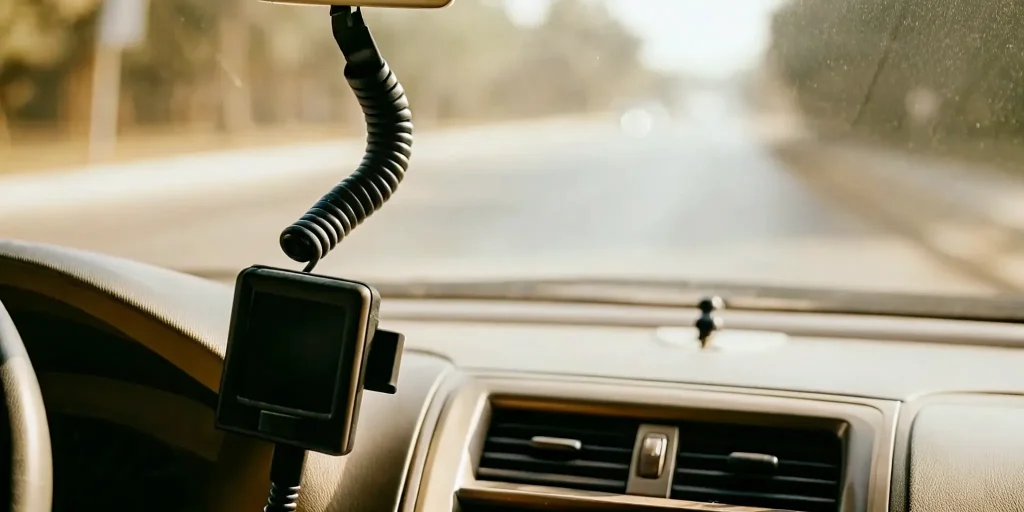
Driving with an ignition interlock device requires more than just passing the startup breath test. Arizona drivers must also complete random rolling retests while they are driving. This system ensures you remain sober to keep your license.
An ignition interlock rolling retest is a random breath sample you must provide while your car is in motion to prove you stay sober. As stated by the Arizona Department of Transportation, these random checks are a required part of the state program for all drivers with an IID. Your device will make a loud sound when it is time to blow, and you have a few minutes to find a safe spot to pull over. This safety window ensures you do not have to blow while driving, which keeps you and other drivers on the road safe. Failing or missing these tests results in a violation log, so following every prompt is the best way to keep your license and stay mobile.
Understanding these checks will help you stay calm and focused behind the wheel. We will cover the rules and safety tips for drivers in Arizona. To start, we will look at the section titled What Is an Ignition Interlock Rolling Retest? The process starts with.
What Is an Ignition Interlock Rolling Retest?
An ignition interlock rolling retest is a random breath test that you take while your car is moving. While the first test lets you start your engine, the rolling retest makes sure you stay sober for your entire trip. By taking these tests, you show the court that you are safe to be on the road. The random breath sample helps you follow the law while you keep your life moving.
The main goal of these tests is to prevent any alcohol use after you have already started your car. Some drivers might think they can have a drink once the engine is running. A rolling retest stops this from happening by asking for samples at varied times. This keeps the roads safe for everyone in Arizona. The National Highway Traffic Safety Administration says that these retests are vital for making sure drivers stay sober for their whole drive.
How retests differ from startup tests
The startup test is the one you take before your car will turn on. You blow into the device, and if it finds no alcohol, you can drive. But your duty does not end there. A rolling retest happens while the vehicle is running. This second type of test ensures that no one has helped you start the car by blowing into it for you. It also checks that you did not start drinking after you pulled out of your driveway.
Timing is the biggest difference between these tests. While you know when the startup test occurs, the rolling retests are random. The first one often comes within the first five minutes of your drive. After that, the device will prompt you at different times. This randomness keeps the driver from trying to time their drinks around a set schedule. By keeping the tests random, the state ensures that you are sober while you are behind the wheel.
| Feature | Startup Blow Test | Rolling Retest |
|---|---|---|
| When it happens | Before the engine starts | While the vehicle is moving |
| Purpose | Verify sobriety at departure | Verify continued sobriety during the trip |
| Timing | Every time you start the car | Random, typically first within 5 min then at varied intervals |
| Window to complete | Must pass before engine starts | 3 to 5 minutes after the alert |
| Can the engine run? | No | Yes, the engine stays on |
| Consequence of failure | Car will not start | Violation logged, possible lockout |
| State log review | Yes | Yes, reported to MVD or court |
The role of the camera in retest proof
Many modern devices now include an ignition interlock camera to add a layer of proof. When the device asks for a breath sample, the camera takes a photo of the person blowing into the tube. This step is vital for your own safety. It creates a clear record that you were the one who took the test. If there is ever a question about a test result, the photo proves who gave the sample.
This camera system also serves as a strong shield against fraud. It stops another person from blowing into the device to help a drunk driver stay on the road. If the camera sees a different face, it will flag the test as a violation. This keeps the program fair and ensures that everyone follows the same rules. It also helps you avoid being blamed if someone else tries to use your car without your ok.
Reducing distractions with blow-only technology
Budget IID uses a device with blow-only technology to make the process as easy as possible. Some other devices require you to hum or suck while you blow into the tube. These methods can be hard to learn and can pull your eyes away from the road. When you are driving in busy Arizona traffic, you need to keep your focus on the cars around you. A simple blow into the tube is much safer and less stressful than complex breathing patterns.
When it is time for a test, the device will give a sound and a clear prompt. You will have a set window of time to give your sample. This lets you find a safe spot to pull over if the traffic is heavy. Our devices meet all federal safety standards. We help you stay in line with the law without adding extra stress to your drive.
How Do Rolling Retests Work While Driving?
A rolling retest is a breath sample you must provide while your car is already moving. The goal is to make sure you stay sober for your entire trip. If you had someone else start the car for you, this test would catch that quickly. It helps you stay in line with state rules and keeps everyone on the road safe. Following these rules is the best way to keep your driving rights in Arizona.
How the Device Alerts You
Your device will not surprise you with a test without warning. When it is time for a sample, the unit will make a clear sound. You will also see a message on the screen. These signals are easy to notice even if you have the radio on or are focused on traffic. The alert tells you that you have a short time to blow into the mouthpiece. Most people find that the loud beep is enough to get their attention right away.
Budget IID uses a simple blow-only method for these tests. Some older tools make you hum or suck air while blowing, which can be hard to do while you drive. Our tech keeps it basic so you can focus on the road. You just need to give a steady breath to finish the check. This helps lower the stress of testing while you are behind the wheel. You can also learn about how the ignition interlock camera works during these checks to ensure the right person is testing.
Timing and Random Intervals
You might wonder when the device will ask for a breath. The first test usually happens within the first five minutes of your drive. After that, the checks come at random times. They do not follow a set pattern like every twenty minutes. This random system is a key part of the rules from the National Highway Traffic Safety Administration (NHTSA). It ensures that no one can plan their drinking around the test times.
Drivers may face different timing scenarios during a single trip. These often include:
- An initial check shortly after the car starts to confirm you are still sober.
- Random tests during the drive to ensure no alcohol has been used since the start.
- Tests that may come back-to-back if the random timer picks a short gap.
Because the tests are random, Arizona law requires this style to keep the program honest. If you miss a test or fail one, the device logs it. These logs go to the state and can lead to trouble with your license. Knowing that a test could come at any time helps drivers make safe choices before they get in the car.
The Window for Giving a Sample
When the alert sounds, you do not have to blow that exact second. Most devices give you a window of three to five minutes to finish the test. This time is meant to keep you safe. If you are in heavy traffic or on a busy highway, you should not try to test while moving. Instead, look for a safe place to pull over and park. You have enough time to find a parking lot or a side road to stop legally.
Testing while the car is parked is often the safest choice for new users. Once you stop the car, the engine can stay running while you blow. You do not need to turn the key off to give a sample. This prevents you from being distracted by the device while you are in a tricky driving spot. To stay in line with rules, make sure you know how to avoid false positive alcohol readings that could trigger a failure. Taking a few extra seconds to pull over can save you from a lot of stress.
What Happens If You Miss or Fail a Rolling Retest?
If your device signals for a rolling retest, you must act fast. Missing these tests can lead to major trouble with the MVD. While these tests prove you are sober, a single error can trigger a report to the state. Knowing how they differ is the first step to staying on the road.
How missed and failed tests differ
A failed test happens when you blow a breath sample that is over the alcohol limit. If your level hits the set limit, the device logs a failure. Most often, the state sees this as a rule break. A failed ignition interlock test does not always mean you have been drinking. It could be food. Even so, the MVD treats these events as major issues. A missed test happens when you do not blow into the device within the given time. In Arizona, Ariz. Admin. Code § R17-5-615 gives you just six minutes to blow once the alarm sounds. If you do not blow in that window, the device marks the test as missed. Both missed and failed tests are kept in the device log. The state reviews these logs every month to check if you are keeping to the rules.
Arizona extra time rules and R17-5-615
Arizona law is strict about rolling retests. Under state rule R17-5-615, the MVD can add six months of extra time to your interlock program. This extra time happens if you have three missed tests in a row within 18 minutes. This means if the device asks you three times and you skip each one, the state views it as a major rule break. The law aims to stop drivers from skipping tests while on the road. The first retest often comes five to 15 minutes after you start your car. After that, tests happen at random times, often every 30 minutes. You do not always need to pull over for every test, but many drivers find it safer to do so. If you are in heavy traffic, you should find a safe place to stop within the six-minute window. Trying to rush a test in traffic can be unsafe. It may lead to a poor breath sample.
Lockouts and data logging details
When you miss or fail a test, the device might enter a lockout state. An ignition interlock lockout stops you from starting your car for a set time. After a failed retest, the device may give you a few minutes to try again. If you fail a second time, the car may not start once you turn the engine off. You will then need to visit a service center to reset the device. These visits often cost extra money and take time out of your day. The device keeps track of every single action in its data storage. This includes the time of each test, your breath level, and any missed prompts. Arizona law requires makers to report all confirmed rule breaks to the MVD. Even if you turn off the car during a retest prompt, the device logs that event. The MVD uses these reports to decide if you can keep your license or if you need more time with the interlock. Staying focused on every prompt is the best way to avoid these costs and stay on the road.
Safety Tips for Completing Rolling Retests
Taking an ignition interlock rolling retest is a normal part of your drive. These tests happen at random times after you start your car. They check that you are still sober as you travel. While the device is easy to use, you must keep safety in mind. Driving needs your full focus. You should plan how to handle these prompts before you hit the road.
Manage Your Testing Window
When the device beeps, it can feel a bit sudden. You do not need to blow right away. Most systems give you a window of three to five minutes to finish the test. This time is there for your safety. If you are in the middle of a turn or in thick traffic, do not rush. This window gives you enough time to move to the right lane and find a safe place to pull over if you need to. Staying calm helps you blow a steady breath on your first try.
Steps for Safe Testing
Following a set plan makes the work simple. Safety experts suggest you stop the car before you blow if you are not focused. Use these steps to stay safe and follow the Arizona rules:
- Listen for the loud alert and check the screen prompt. The device will tell you when it needs a new breath sample.
- Check the traffic around you before you try to take the test. If you are on a busy street, find a legal place to stop.
- Reach for the device only when it is safe to do so. Keep the unit in a mount or a spot where you can grab it without looking away from the road.
- Blow into the mouthpiece as the unit tells you. Budget IID uses blow-only tech that does not need complex humming or patterns.
- Watch the screen for a pass message. Once the unit logs your clear result, you can pull back into traffic and go on your way.
Ways to Prevent False Alarms
You can avoid false positive alcohol readings by being careful with what you eat or drink. Many common items have small bits of alcohol that might trip the sensor. This includes some mouthwash, spicy foods, and fruit juices. To stay safe, rinse your mouth with plain water before you start your trip. If you just ate, wait a few minutes before you blow into the unit. This keeps your records clean and helps you avoid extra fees or long lockouts.
A clean device also helps you avoid errors. Wipe the mouthpiece often to keep it free of dirt or spit. Do not use harsh sprays on the unit itself. If you keep the sensor clear, the tests will be fast and easy. Staying ready makes the whole process much smoother for any driver in Arizona.
Arizona Rolling Retest Requirements
Arizona has some of the strictest laws in the nation for driving under the influence. If you must use an ignition interlock device, you must follow all rules set by the Motor Vehicle Division (MVD). One of the most important rules is the ignition interlock rolling retest. These tests check that you stay sober after your car is already moving.
Compliance Under Arizona State Law
The law in our state is clear about testing. Arizona law requires you to follow every testing step to keep your license. This includes both the startup test and any random tests while you drive. If you don’t take these tests, you risk losing your driving rights.
The state uses these rules to keep everyone safe on the road. All devices used in the program must meet federal safety rules. These tools follow the NHTSA model specs for safety. This makes sure the device works well and keeps an honest record of your sobriety during your trip.
Arizona Admin Code and Violations
Rules for IIDs are found in the Arizona Administrative Code. Section R17-5-615 covers what happens when things go wrong. If you miss a retest or fail one, the device logs it as a violation. These logs go straight to the MVD or the court for review.
A violation can lead to a longer time with the device. In some cases, the MVD may add six months to your program for a single missed test. This is why it’s so important to avoid false positive alcohol readings during your daily commute. Keeping your device clean and following the prompts helps you finish your time on schedule.
Local Support for Arizona Drivers
Following these rules can feel hard, but you don’t have to do it alone. Drivers in Phoenix, Tucson, Mesa, and Goodyear can rely on local help. Our team at Budget IID knows the local court rules and MVD steps well. We serve first-time and repeat offenders across the state.
We help you understand how to stay in compliance with state law. Whether you’re driving in heavy city traffic or on open roads, we give you the tools to succeed. Our goal is to make your path back to full driving rights as smooth as possible. We offer professional support and reliable devices that meet all state and federal needs.
Frequently Asked Questions
Why is my interlock doing a retest while my car is off?
Your device may prompt for a retest right as you turn off the engine because Arizona rules require a final sample to confirm you did not drink during the trip. According to Arizona Administrative Code, switching the engine off during or after a retest alert still requires a sample. Failing to provide this breath sample is logged as a missed test, which can lead to a violation even if the vehicle is parked.
What happens if you fail interlock twice?
If you fail two tests, the device will log these events as violations and report them to the Arizona Motor Vehicle Division. Under state law, a series of failed or missed tests can result in a six-month extension of your ignition interlock requirement. Frequent failures also trigger a permanent lockout, which requires a service call to reset. Our team can help you understand these rules to maintain your driving privileges and avoid extra costs.
How does Intoxalock retest frequency compare to other devices?
Most state-approved devices follow similar schedules based on local laws rather than the brand itself. In Arizona, the first test occurs within five to 15 minutes of starting your car, with random tests continuing every 15 to 30 minutes thereafter. While some brands might use different tones or alerts, all certified units must meet NHTSA safety standards for timing. We ensure our devices stay in full compliance with these strict federal and state frequency rules.
Is it dangerous to perform a rolling retest while driving?
Safety is the top priority, so you are never forced to test while in active motion. Drivers are given a window of three to six minutes to provide a sample, which is enough time to find a safe spot to stop. If you are in heavy traffic or bad weather, you should pull over to a legal parking spot before you blow into the unit. This helps you avoid a failed ignition interlock test caused by driving stress or improper use.
What is the purpose of an ignition interlock rolling retest?
The main goal of a retest is to ensure that a driver stays sober for the entire length of their trip. This prevents someone from having a friend start the car for them or drinking alcohol while they are already on the road. By requiring random breath samples, the state can verify that no alcohol is present in the driver’s system at any time. These tests are a key part of the Arizona IID program to keep roads safe for everyone.
Ready to schedule your ignition interlock service?
Driving without a valid license puts your job and your home at risk. A court order for an ignition interlock is not something you should ignore or delay. Each day you wait to set up your device is a day you can not drive to work or help your family. Starting the process now helps you avoid high legal fines and more delays from the MVD. Our team knows the local rules and will guide you through every step of the setup. We work fast to get you back on the road safely and in full compliance. Taking action today means you can stop worrying about your driving status and start moving forward. The sooner you act, the sooner you regain your freedom on the road.
Ready to move forward? Visit our contact page to schedule your ignition interlock installation or service appointment.