
A California ignition interlock device records request is easier to handle when you know which records you need and who may have them. Start by keeping a personal timeline, collecting calibration paperwork, and separating provider-held device records from records held by the California DMV. That gives you a clearer request and a useful file if a provider, attorney, court, or agency asks questions later.
Ask Budget IID about California IID service
Which records are you trying to obtain?
“IID records” can refer to several different things. A driver may want a calibration receipt, an installation or removal document, a device event report, or proof of communication with a provider. A driver may also be looking for a DMV driving record or information about a license action. Those are not necessarily kept by the same organization.
Before you write, identify the purpose of the request. Are you checking whether a calibration appointment was completed? Trying to confirm the date of an event? Looking for paperwork to share with an attorney or court? Or asking the DMV for a copy of a driving record? A precise purpose helps you avoid requesting a broad file that may not contain what you expect.
California DMV describes how certain information can be protected or disclosed through its information-sharing and privacy guidance. A separate DMV requester program page describes access to basic driver-license and vehicle-registration records. These pages concern DMV records; they do not establish that the DMV holds every IID event log or provider communication.
Who may hold each kind of record?
A service provider may have records related to its own work, such as installation, calibration, maintenance, removal, or communications with you. The device may also produce event information. Ask the provider what specific record types it can provide, what identification or authorization it needs, and whether the record is available in the format you need. Do not assume that every provider stores or releases the same items.
The DMV keeps driver and vehicle records within its processes. A DMV driving record is different from a provider’s service history or a device report. If you need both, plan for separate inquiries. Ask the DMV which record type and process applies, and ask the provider for its procedure for requesting service or device-related records.
California’s regulation on ignition-interlock service and maintenance includes a court-authorized verification requirement when a court has ordered installation. It is useful context for why formal documentation can matter, but it is not a guarantee that every requested record is available to a driver in a particular form. Read the California service and maintenance regulation and confirm what applies to your situation with the relevant agency or legal adviser.
If you are unsure how the device works or which service steps are involved, Budget IID’s overview of ignition interlock devices and IID frequently asked questions may help you frame questions for your provider.
What should you gather before making a request?
Prepare your own file first, even if you expect to ask another organization for copies. Your records can help identify missing dates, distinguish an appointment from a completed service, and make it easier to explain what you need. Use the checklist below.
- Write down key dates. List installation, calibration, maintenance, device exchange, vehicle change, removal, and any event you want reviewed. If a date is approximate, mark it as approximate rather than presenting it as certain.
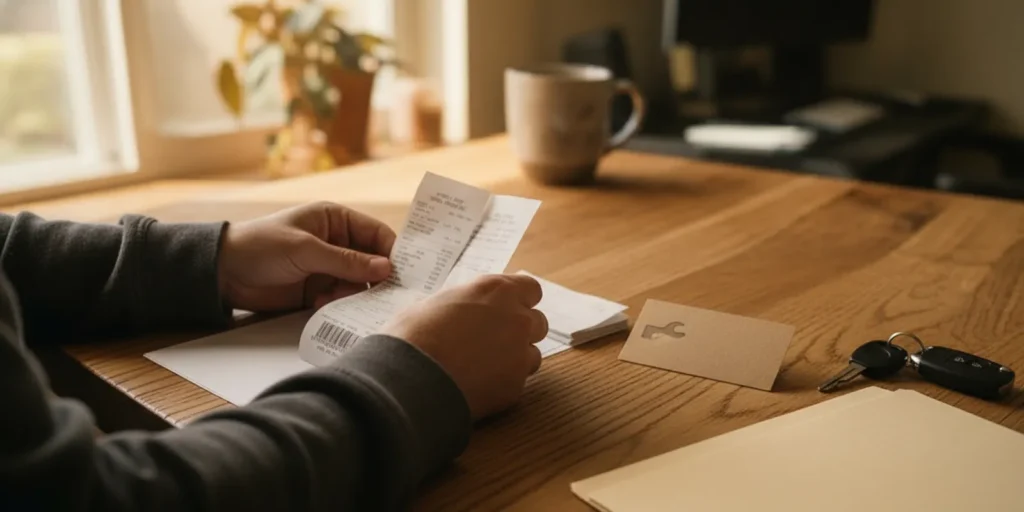
- Collect receipts and appointment paperwork. Keep invoices, calibration receipts, appointment confirmations, work orders, and any paperwork provided at installation or service. Note the vehicle and device information shown on each document.
- Save provider communications. Keep emails, text messages, letters, and support case references. Record the date and method of a phone call, the number used, the name or role of the person you spoke with if known, and what follow-up was promised.
- Identify the exact record you need. For example, request a calibration receipt for a particular visit or ask whether a device event report exists for a specific date range. Avoid asking only for “everything” when you can name the item or question.
- Check the audience and deadline. If a lawyer, court, DMV office, or another authorized party needs the record, ask what format, date range, and delivery method it will accept. If there is a deadline, confirm it with that party; do not assume a provider’s processing time will meet it.
- Make a copy of your request. Save the message or letter and any confirmation that it was sent or received. Keep the response with the same timeline and supporting documents.
For calibration paperwork and appointment planning, see the information on ignition interlock calibration service. If you are preparing for a new installation, the installation planning guide is Arizona-specific, so use it only for general preparation and confirm California requirements with the appropriate California authority.
How can you organize event dates and service documents?
Build one simple timeline rather than relying on memory or searching through messages each time. A spreadsheet, notebook, or folder can work. Use consistent fields so a provider or representative can follow what happened without needing to interpret your personal shorthand.
- Date and time: Record the date and, when relevant, the time shown on a receipt, device notice, or message. Keep the original document if the time zone or device clock could be relevant.
- Event or appointment: Label the entry as a calibration, service visit, device alert, phone call, or request. Do not treat an alert as a confirmed violation or legal finding.
- Source: Note whether the information came from a receipt, provider message, device display, personal recollection, or another document.
- Follow-up: Record what you asked, what the provider or agency said it would do, and whether you received the requested response.
- File location: Give each paper or digital item a name that makes it easy to find, such as “calibration-receipt-month-year.” Avoid changing the original document.
Keep the original files unchanged and make a backup. If you scan paper documents, check that the date, amount, and other relevant details are readable. For a formal matter, ask the requesting party whether it needs originals, certified copies, or a particular submission method. Do not send sensitive personal information through an unverified channel.
How do you make a focused California IID records request?
Once you know which organization may hold the information, submit a clear request using that organization’s current contact or request process. A concise message should identify you, describe the record, give a reasonable date range, and explain how you want the response delivered. The sample below is a starting point, not a legal form.
Subject: Request for IID service records for [vehicle or account reference]
“I am requesting [specific document or record type] for the period [start date] through [end date]. The records relate to [installation/calibration/service/event or other purpose]. Please let me know whether you maintain this record, what identification or authorization you require, any applicable fee, and the expected response process. If this request should go to another department or organization, please tell me where to direct it. I can be reached at [contact information].”
Include only the identification details the recipient requires. Do not include a full driver-license number, account credentials, or other sensitive information in an ordinary email unless the organization has confirmed that channel is appropriate. If you are requesting a DMV record, follow the DMV’s instructions for the relevant record and requester type. A DMV record request is not a substitute for asking the provider about its own device and service records.
If you are working with counsel or responding to a court or agency, ask that representative what records to request and how to preserve them. A provider can explain its own process, but it cannot determine what legal evidence you need or advise you on a case outcome. If you are comparing providers, use the questions in this guide to evaluate an ignition interlock service center, including how to ask about service and records procedures.
How do provider records and DMV records differ?
The following comparison can help you send each request to the right place. The exact documents available and the process for receiving them can depend on the record holder and the circumstances.
| Record type | Likely starting point | What to specify | Important distinction |
|---|---|---|---|
| Calibration or service receipt | Provider or service location | Appointment date, service type, and account or vehicle reference | A receipt documents a service transaction; it may not be a complete device history. |
| Provider communication | Provider support or records contact | Approximate dates, communication channel, and case reference if available | Ask whether messages or call notes are retained and releasable. |
| Device event information | Provider, using its request procedure | Specific date range and the event or question at issue | Ask what event information exists and what authorization is needed; do not assume the DMV has it. |
| Driver-license or vehicle record | California DMV | The record type and requester process that applies | DMV records are distinct from provider-held service documents and device logs. |
| Court or agency verification | The court or agency that requested it, and the provider as applicable | Required form, date range, recipient, and submission method | Confirm the requirement with the requesting authority rather than relying on a general checklist. |
What if a record is missing or the response is unclear?
First, check whether you sent the request to the right organization and whether it included enough information to locate the record. A reply asking for more identification or a narrower date range does not necessarily mean the record is unavailable. Respond through a verified channel and keep a copy of the follow-up.
If the organization says it does not maintain the item, ask whether it can identify the correct record holder or name the record type it can provide instead. Keep the answer in your file. If you need a DMV driving or vehicle record, use the appropriate DMV process rather than expecting the interlock provider to supply it. For a DMV information request, review the state’s requester-program guidance and confirm current instructions before submitting sensitive details.
If you believe a document contains an error, state the specific date or entry and provide supporting paperwork. Ask how to submit a correction inquiry and whether the original entry can be reviewed. Avoid altering a receipt or device document yourself. When the records relate to an active legal matter or deadline, consult your attorney or the relevant authority promptly.
How can you keep the file useful over time?
Store records in a single folder, with a backup in a secure location. Separate provider documents from DMV correspondence and legal paperwork, but keep a top-level timeline that points to each item. A short index can show the date, document name, source, and the question it helps answer.
After a calibration or other service visit, add the receipt and appointment date while the details are fresh. If you contact support, add a note with the date and reference number. When you make a records request, save the request, delivery confirmation, response, and any follow-up together. This routine makes it easier to explain the history without overstating what a document proves.
If you need to discuss California service options or ask which provider process applies, use Budget IID’s Roseville location information or the support page. For general information about costs and included charges, review the IID cost and fee overview; confirm current terms directly before making a decision.
Contact Budget IID to discuss your next step
Frequently asked questions
Does the California DMV keep every IID event log?
Do not assume it does. DMV driver and vehicle records are different from a provider’s service records and device event information. Ask the DMV about the specific record type you need, and ask the provider whether it holds the device or service record.
Can I request all my device records at once?
You can ask what records the provider maintains, but a focused request is often easier to process. Name the record types, relevant date range, vehicle or account reference, and purpose. The provider can tell you whether it needs additional information or authorization.
What if I only have approximate dates?
Say that the dates are approximate and provide a reasonable range or other locating details, such as a service location or appointment reference. Keep the source of your estimate clear and do not present an uncertain date as confirmed.
Should I send the records to a court or agency myself?
Check with the court, agency, or your attorney about the required format, recipient, and submission method. A general provider copy may not meet a particular filing or verification requirement.
A dated, organized file helps you ask the right California IID records question and keeps provider paperwork separate from DMV records. When requirements or deadlines are involved, confirm the process with the organization requesting the documents or a qualified legal adviser.