
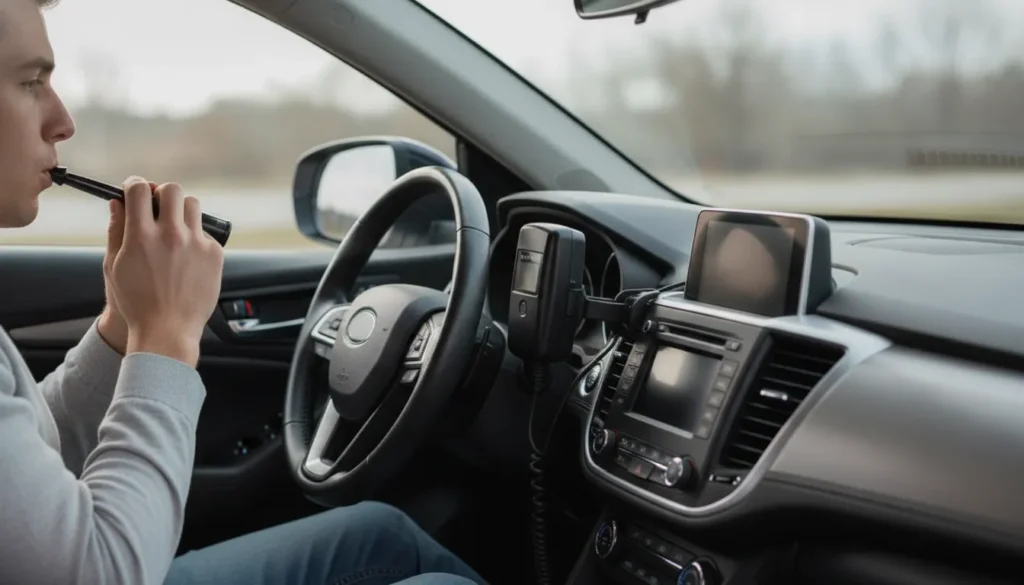
If you are wondering how does a breathalyzer work, the short answer is that the device analyzes a breath sample for alcohol and uses the result to guide a safety or ignition decision. A vehicle breathalyzer, more formally called an ignition interlock device (IID), is connected to the car’s starting system. The driver provides a sample before starting, and some devices request additional samples during a trip. The exact process, reporting rules, and service schedule depend on the device and the state program, but the basic sequence is straightforward.
Explore breathalyzer installation help
What is a breathalyzer?
A breathalyzer is a device that estimates alcohol concentration from a person’s breath. Alcohol in the bloodstream can pass into the air in the lungs, so a properly designed breath-testing instrument can analyze exhaled air as an indication of alcohol in the body. A handheld breathalyzer may be used for screening or personal information. A car breathalyzer is different: it is installed in the vehicle and works as part of an ignition interlock system.
An IID is not the same as a casual personal gadget. It is installed according to a state or court-related requirement, connected to the vehicle, and serviced according to program rules. It may also collect event information for reporting. Drivers should use the device exactly as instructed by their provider and the applicable motor-vehicle agency.
How does a breathalyzer work in a car?
A vehicle IID follows a sequence that combines breath sampling, alcohol analysis, and vehicle control. The device does not make a general judgment about whether someone feels impaired. Instead, it evaluates the breath sample against the operating threshold configured for that device and program.
1. The device wakes up and asks for a sample
Before the vehicle can start, the driver turns on the ignition or otherwise activates the IID. The handset displays or announces a prompt. The driver places the mouthpiece correctly and blows in the pattern the device requires. Depending on the model, that may include a steady breath, a particular duration, or a specified pressure. Proper technique matters because a weak, interrupted, or incomplete sample may be rejected even when alcohol is not detected.
2. The breath sample reaches the sensor
The IID needs a usable breath sample rather than just a puff of air from the mouth. The device is designed to evaluate exhaled breath and may use sampling controls to help identify an appropriate sample. The sensor then detects alcohol-related compounds in that sample. Arizona defines a certified ignition interlock as an alcohol-specific electrochemical fuel-cell device that meets NHTSA specifications. The handset reads the sample. A separate control module, wired into the vehicle, allows or blocks the starter. Budget IID uses a straight-blow handset rather than a suck-back pattern, and the installer has you practice that sample before you leave. Still follow the prompts on the unit in your car, because timing and messages can differ.
3. The device analyzes the result
After collecting the sample, the instrument compares the result with its programmed threshold. A result below the applicable threshold generally permits the starting sequence to continue. A result at or above the threshold may prevent the engine from starting or trigger an instruction to follow up with the provider or program administrator. The display may use a simple pass, fail, or warning message, while the underlying event can be retained for reporting.
4. The IID communicates with the vehicle
The interlock is wired into the vehicle’s starting system by an authorized installer. When the required sample is accepted, the device allows the normal start sequence. When the start is not permitted, the engine remains off. This is why installation is more than placing a breathalyzer on the dashboard: the handset, wiring, security features, and vehicle-specific connection all need to work together.
A properly functioning IID is intended to prevent a vehicle start after a prohibited result. It is not a substitute for responsible driving, and a driver should never try to operate a vehicle after drinking or use another person to provide a sample.
How is a car IID different from a handheld breathalyzer?
The word breathalyzer is often used for several kinds of equipment. The most important difference is what the device is connected to and what the result is used for.
| Question | Handheld breathalyzer | Vehicle ignition interlock |
|---|---|---|
| Where is it used? | Used separately from the vehicle, often as a screening tool. | Installed in a vehicle and used through a connected handset. |
| What happens after a result? | It displays or stores a reading for the user. | It can allow or prevent a vehicle start based on the configured program. |
| Does it involve installation? | Normally no vehicle wiring is involved. | Yes. The unit must be connected, secured, tested, and explained by an installer. |
| Are follow-up events relevant? | Usually limited to the device’s own display or memory. | Depending on the program and device, starts, tests, warnings, and service events may be recorded or reported. |
Neither type should be treated as permission to drive after drinking. A breath test is a measurement used for a specific purpose, not a guarantee that a person is safe to drive.
What are rolling retests?
Some ignition interlock programs require a rolling retest after the vehicle has started. The device signals the driver to provide another breath sample while the trip is underway. The purpose is to help confirm that the person who provided the starting sample remains the person operating the vehicle and that a new alcohol-positive event has not occurred.
A rolling retest should be handled without taking attention away from the road. Follow the device’s instructions, keep both hands and eyes focused on safe vehicle control, and pull over safely when that is the appropriate way to respond. An IID should not suddenly turn off a moving engine. If a test cannot be completed safely, follow the provider’s instructions for documenting and reporting what happened.
Missed and failed retests are not the same
A missed retest means the device did not receive a valid sample within the required window. A failed retest generally refers to an alcohol-positive result. Those are different device-level events, and the consequences can depend on the state program, the device settings, and the facts recorded by the system. Drivers should not guess at the consequence or attempt repeated tests as a substitute for following the official process.
For an Arizona-specific overview of how an IID works, including the difference between device events and program-level consequences, read this guide to ignition interlock devices. The official Arizona definitions, including the fuel-cell sensor and the alveolar breath sample, are in Arizona Administrative Code R17-5-601.
What can affect a breathalyzer sample?
A breath sample is a technical measurement. The device may reject or flag a sample for reasons that are not the same as a confirmed alcohol-positive result. Examples can include an incomplete blow, an incorrect mouthpiece position, a device problem, or substances remaining in the mouth. Follow the device prompts and do not try to defeat, tamper with, or bypass the interlock.
Follow the device instructions
The handset’s prompts explain how to provide the sample. Blow consistently, use the supplied mouthpiece, and respond to alerts as directed. If the device repeatedly rejects samples or displays a message you do not understand, contact the installer or service provider. Do not disconnect the unit or make an unauthorized change to the vehicle wiring.
Keep driving decisions separate from test results
A passing result does not make it safe to drive if you are impaired, tired, or otherwise unable to operate the vehicle safely. Conversely, a device alert should be treated as a serious event that requires a safe response and careful documentation. If there is a question about a report, lockout, or violation, the installer can explain the device process, while the state agency or court controls the program consequence.
What does an ignition interlock record?
The exact record depends on the device and jurisdiction. Many systems can retain information such as vehicle starts, breath tests, retest events, warnings, lockouts, and service or calibration activity. That information can help a provider identify a technical issue and can be part of required program reporting. It is important to ask what the installed device records, who can access the information, and how a driver should respond to an alert.
Technical records and legal conclusions are not the same thing. A device-level event may need to be reviewed by the installer, the motor-vehicle agency, or another program authority before anyone can determine what it means for the driver’s requirement. NHTSA’s 2013 Model Specifications for Breath Alcohol Ignition Interlock Devices describe how these devices are tested, including the breath sample and the set point used in that test.
How installation and calibration fit into the process
Installation connects the IID to the vehicle’s starting system and confirms that the handset communicates correctly. At Budget IID, a technician does that install, which usually takes one to two hours depending on the vehicle, and walks you through a sample on the straight-blow handset before you leave. In the Arizona service area, mobile installation is available, so the same wiring and practice can happen away from the shop. Service centers cover Phoenix, Mesa, Tucson, Goodyear, and Avondale, plus Roseville in California. Later calibration stops are short. Many customers with an appointment are in and out in about five minutes. A professional appointment should also include an explanation of how to provide a sample, respond to rolling retests, recognize common alerts, and obtain service. The vehicle may need to be inspected or tested before the installation is complete.
Calibration and service are separate from the initial installation. A device may need scheduled service so its measurements, wiring, and records can be checked under the applicable program. Service timing varies by jurisdiction, provider, device, and the driver’s specific requirement. Missing an appointment can create a program problem even when the vehicle itself is working, so keep the required service schedule and ask questions before an appointment is missed.
Budget IID’s ignition interlock installation overview explains the service path. Drivers can also review Arizona IID installation instructions and the separate calibration and service timing guide for practical preparation.
What should you ask before choosing an installer?
When comparing installation options, focus on fit and support rather than choosing a device from a name alone. Ask whether the provider is authorized for the jurisdiction and device program, whether the location can service your vehicle, how appointments are scheduled, and how alerts or technical questions are handled. Confirm what documents or vehicle information you need to bring.
It is also reasonable to ask how the device is secured, what the sample instructions are, how rolling retests work, what service visits include, and who explains a report that appears incorrect. A clear installation process can reduce confusion later, especially for a first-time IID user.
Use the Budget IID installation locations page to review available service options, and use the location finder to look for a nearby area. Availability and program requirements can change, so confirm the current details before scheduling.
Contact Budget IID to discuss your IID installation questions
Frequently asked questions about car breathalyzers
Does a car breathalyzer measure blood alcohol concentration directly?
No. It analyzes alcohol in a breath sample and uses that measurement to estimate alcohol concentration in the body. The device is configured for its intended program and should be used according to its instructions. It is not a medical test or a reason to assume that driving is safe.
Can an IID prevent every unsafe driver from starting a car?
No device replaces a sober, attentive driver. An IID is designed to respond to the breath sample and other events it is programmed to evaluate. It cannot assess fatigue, medication effects, distraction, or every other condition that can make driving unsafe. Never drive after drinking or rely on a device result to make that decision.
What should I do if the IID gives an unexpected result?
Keep control of the vehicle and respond safely to the prompt. Follow the provider’s instructions, record the message or alert if it is safe to do so, and contact the installer or program authority through the appropriate channel. Do not tamper with the device, disconnect it, or repeatedly attempt to produce a different result without understanding the instructions.
Does every IID require rolling retests?
Not necessarily. Retest requirements depend on the device and the applicable state or program rules. Ask the installer to demonstrate the timing, safe response, and what to do if a retest prompt appears at an inconvenient moment. The rolling retest guide offers additional general information.
How can I learn more about ignition interlock installation?
Start with the provider’s installation information and confirm that the service fits your vehicle and jurisdiction. For questions about available locations or the next step, you can contact Budget IID and discuss the installation process before scheduling.