

Choosing an ignition interlock provider is a practical decision, not just a brand comparison. Arizona drivers need a court-approved device and an installation arrangement that meets program rules. They also need support they can reach throughout the compliance period.
Contact Budget IID to discuss your installation options.
A smart start ignition interlock may suit a driver who wants a large national provider. Budget IID offers a local option for Arizona and select California areas. Compare device testing, service coverage, compliance support, and the questions each provider answers before installation.
This guide compares those decision points without assuming that one provider fits every driver. Confirm the rules for your license, court, and state before scheduling service.
Smart Start Ignition Interlock vs. Budget IID: What Is the Difference?
The central difference is service model. Smart Start is a national provider with a broad installation network. Budget IID focuses on local service in Arizona and select California areas. It also provides court-approved installation and compliance support. Drivers should compare the location, device procedure, and assistance available for their program.
Smart Start’s official site presents a broad service footprint. That can matter to drivers who prioritize a national network or may need to ask about service in more than one state. A national footprint does not remove the need to confirm that a specific location and device meet Arizona requirements.
Budget IID serves drivers in Phoenix, Tucson, Mesa, and Goodyear, Arizona, along with select California areas. Its local-service approach gives drivers a defined place to discuss installation, calibration, and compliance questions. Availability and service options can vary by location, so confirm the details before making an appointment.
| Comparison point | Smart Start | Budget IID |
|---|---|---|
| Service model | National provider with a broad service footprint. Confirm the exact approved location for your program. | Local provider serving Arizona and select California areas, with court-approved installation and compliance support. |
| Testing questions | Ask which device is assigned, how the sample is taken, and how personal checks are treated. | Offers a Non-Recorded Test Option and a Straight Blow Option for non-circumvention. |
| Local coverage | Use the provider’s location information to confirm service near your home or work. | Service areas include Phoenix, Tucson, Mesa, and Goodyear, plus select California areas. |
| Program fit | Verify that the location and device satisfy the requirements attached to your license or court order. | Provides Arizona-focused installation and support for drivers who need a local option. |
The best choice depends on the requirements attached to your case. Start with compliance, then compare the day-to-day testing experience and the support path after installation. The guide to choosing an ignition interlock provider offers an additional checklist for evaluating service and communication.
How Do the Service Models Work for Arizona Drivers?
Service model affects your installation location, support contact, and calibration process. A national network may provide broader coverage. A local provider may offer area-specific guidance. Arizona drivers should verify the installation site, reporting process, and support contact before enrolling.
An ignition interlock program continues after the initial installation. Drivers may need calibration appointments, rolling retests, device maintenance, and instructions for responding to a warning or violation. A provider comparison should therefore include the full service relationship, not only the appointment that places the device in the vehicle.
Budget IID provides professional installation in its supported service areas. The locations page is the appropriate starting point for checking current coverage. Drivers in Phoenix, Mesa, Tucson, and Goodyear should confirm which location or mobile option applies to their situation. Free mobile service is available only in some areas, so it should not be assumed to be universal.
Drivers should also ask what happens when a question does not fit a standard installation script. Ask who explains device messages and how calibration appointments are arranged. Find out where to go after a failed sample. Confirm which records should be retained for court or MVD purposes. Clear answers reduce uncertainty during a process that already carries legal and scheduling pressure.
Arizona’s rules are not interchangeable with another state’s rules. The Arizona MVD ignition interlock information should be treated as the governing reference for Arizona requirements. For an Arizona-licensed driver with an Arizona IID obligation, an out-of-state installation does not satisfy the Arizona requirement by itself. Confirm that the provider can meet the applicable Arizona installation, reporting, and service obligations.
Local support is especially useful when a driver needs help distinguishing a missed retest from a failed retest. A missed retest means no test was completed within the required window. A failed retest means the device detected alcohol. Those events should not be described interchangeably, because the program response may differ. Follow the program instructions and contact the provider promptly if either event occurs.
What Should You Ask About a Smart Start Ignition Interlock Device?
Ask how the device accepts a breath sample and whether a personal self-check is recorded. Ask how circumvention prevention works and what to do after a device message. These questions reveal the daily user experience more clearly than a provider name or a general claim about convenience.
An ignition interlock is designed to prevent a vehicle from starting when the breath sample exceeds the device’s programmed pass level. The CDC explains the safety role of ignition interlocks in preventing alcohol-impaired driving. The device is not a substitute for following the court or MVD program. It is one part of a broader compliance process.
Budget IID offers two device options that comparison shoppers should ask about by name: the Non-Recorded Test Option and the Straight Blow Option.
Non-Recorded Test Option
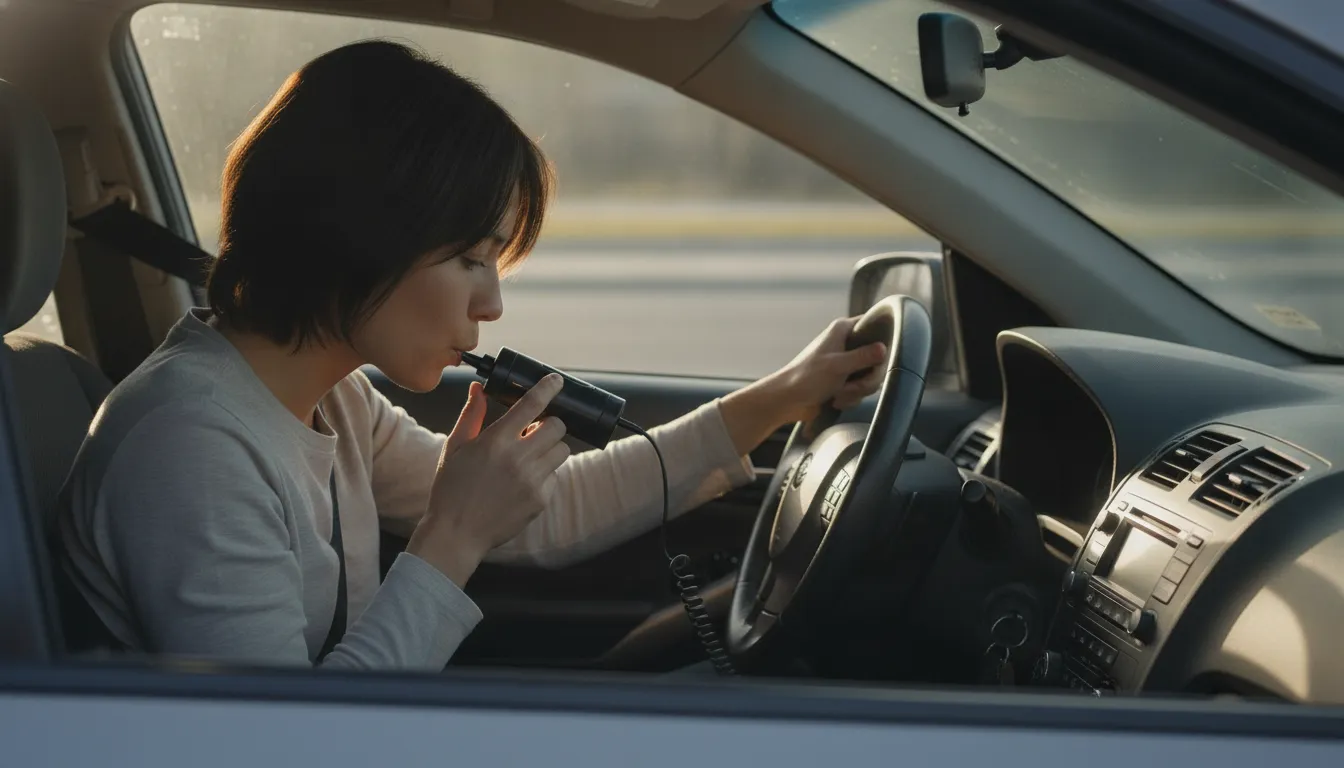
The Non-Recorded Test Option allows the device to function as a standalone breathalyzer for a personal check before starting the vehicle. The purpose is to help a driver decide whether it is safe to attempt the required vehicle-start test without creating a recorded ignition event from that preliminary check.
This option does not remove the required start test and does not change the driver’s legal obligations. It is a practical pre-check for situations in which residual alcohol may be a concern, such as the morning after drinking. Drivers should still follow the instructions provided during installation and should never drive after drinking or when they are unsure whether they are safe to drive.
Straight Blow Option
The Straight Blow Option uses a natural, straight blow for non-circumvention. This differs from the traditional “suck-back and blow” technique associated with many competing devices. The distinction concerns the way the sample is provided. It does not allow a driver to skip a required test, rolling retest, or other program instruction.
When comparing a Smart Start device with a Budget IID device, ask for a demonstration of the exact unit assigned to you. Confirm the required breathing technique, the meaning of device prompts, the handling of personal checks, and the process for responding to an error. A written explanation and hands-on training are more useful than relying on a general product description.
These questions are also a way to compare providers fairly. Avoid unsupported assumptions about a competitor’s specific device, because equipment and program requirements can vary. Evaluate what each provider confirms for your vehicle, location, and case.
How Do You Compare Installation, Calibration, and Ongoing Support?
Compare the complete service path: appointment availability, installation training, calibration scheduling, support after a device event, and removal instructions at program completion. Budget IID offers professional installation in supported areas and a local contact path. Smart Start shoppers should confirm the same details for their selected location rather than relying on national branding.
Installation is the beginning of the relationship. A useful provider should explain how to operate the device, what the signals mean, and when the vehicle must return for service. Ask whether the installer provides hands-on training and what documents you receive after installation.
Calibration is another important comparison point. Requirements vary by state and program. Ask how often your device must be serviced, how appointments are booked, what happens if you miss an appointment, and whether the provider explains the reporting consequences. Do not rely on a generic calendar because the schedule attached to your case controls.
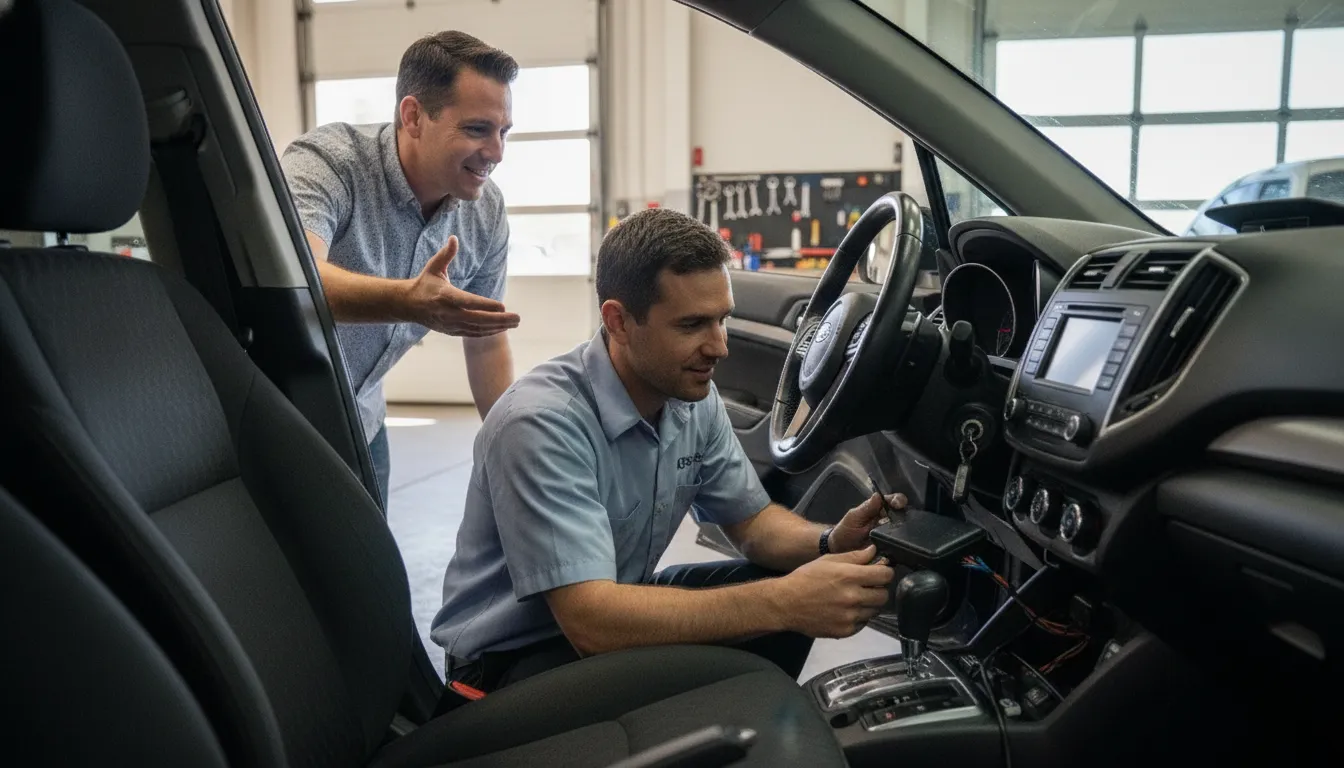
Budget IID’s local coverage can be useful for drivers who want installation and compliance questions handled by a provider serving their area. The company emphasizes transparent communication about service. Before agreeing to an appointment, request a clear explanation of the charges and services that apply to your vehicle and program. This article does not make a provider-pricing promise, and drivers should confirm current terms directly.
Support also matters after an unexpected event. If a device reports a failed test, a missed retest, or a suspected malfunction, follow the instructions you were given and contact the provider promptly. Do not attempt to disconnect, bypass, or remove the device without authorization. Keep appointment records and communications in case your court or MVD program requires documentation.
Which Smart Start Ignition Interlock Provider Fits Arizona Drivers?
Choose the provider that confirms program compliance, offers a workable installation location, explains the device clearly, and provides support you can use throughout the required period. For many Arizona drivers, Budget IID is a strong fit when local service, court-approved installation, and the two device options described here are priorities.
Use this eight-step checklist before you enroll:
- Confirm the provider and exact installation location satisfy the requirements for your Arizona license and court or MVD program.
- Ask whether the selected device is approved for your program and vehicle.
- Ask how the device takes a sample and what breathing technique it requires.
- Ask whether a personal pre-check can be completed without creating a recorded start-test event.
- Ask what each warning, failed test, and rolling retest prompt means.
- Confirm calibration timing, appointment procedures, and support after a missed appointment.
- Ask how the provider handles suspected device problems, missed retests, and failed retests.
- Confirm the steps for program completion, authorized removal, and any required MVD documentation.
Budget IID’s Non-Recorded Test Option and Straight Blow Option give drivers specific product details to evaluate. The first functions as a standalone breathalyzer for a personal check before attempting the vehicle-start test. The second uses a straight blow approach for non-circumvention rather than the traditional “suck-back and blow” method. Both should be discussed as compliance-support features, not as ways to avoid testing.
For drivers in Phoenix, Mesa, Tucson, or Goodyear, location and support may be as important as the device. Budget IID serves those Arizona areas and select California locations. Review the provider’s current service-area information, confirm availability, and ask for the exact next step for your situation.
A careful comparison also protects against false certainty. No website comparison can determine the requirements of an individual court order or MVD record. Use official Arizona information, ask the provider specific questions, and follow the instructions from the authority overseeing your program.
Ask Budget IID which installation and device options fit your service area.
Frequently Asked Questions: Is Smart Start Ignition Interlock Right for Arizona Drivers?
Drivers comparing Smart Start and Budget IID usually need direct answers about device testing, Arizona compliance, local installation, and personal self-checks. The questions below summarize the most important points, but your court order, MVD record, and provider instructions control your individual requirements.
Can I check my breath before starting the vehicle?
Budget IID’s Non-Recorded Test Option is designed to work as a standalone breathalyzer for a personal check before starting the vehicle. It does not replace the required ignition test or change the rules of an Arizona IID program. Follow the instructions supplied with your specific device.
What is the difference between a missed and failed rolling retest?
A missed rolling retest means no test was completed within the required window. A failed rolling retest means the device detected alcohol. These are different events. Follow your program instructions and contact your provider promptly rather than treating one event as the other.
Does an out-of-state installation satisfy an Arizona IID requirement?
No. For an Arizona-licensed driver with an Arizona IID obligation, an out-of-state installation does not satisfy the Arizona requirement by itself. Confirm that the provider can meet Arizona’s applicable installation, reporting, calibration, and service obligations before scheduling.
Is Smart Start the only ignition interlock option in Arizona?
No. Smart Start is one national provider. Arizona drivers can compare other court-approved options based on program fit, service area, device procedure, training, and support. Budget IID serves Phoenix, Tucson, Mesa, Goodyear, and select California areas, subject to current availability.