
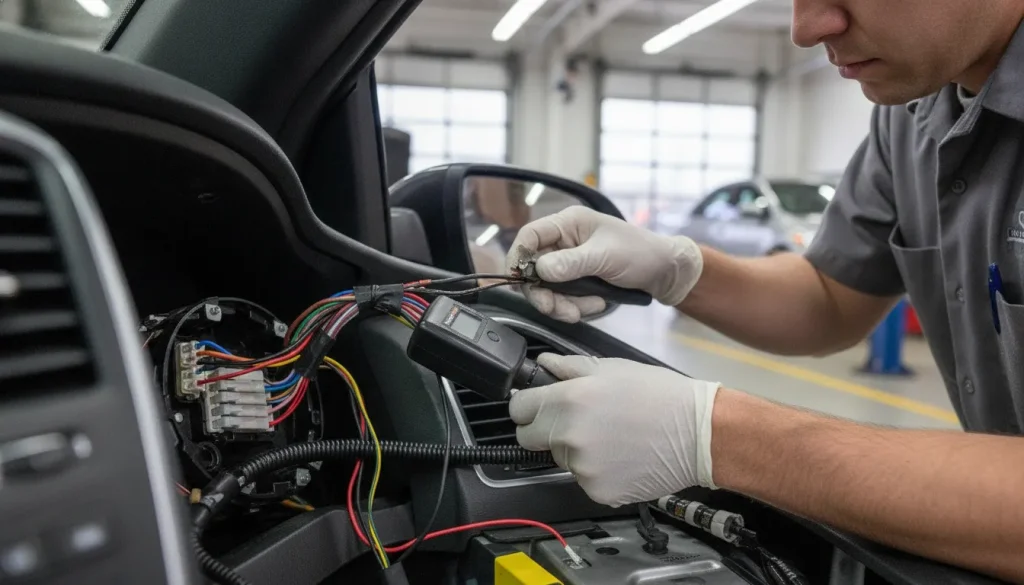
After a DUI-related court or administrative order, the installation deadline can feel like one more problem to solve before you can drive legally again. The right provider helps you understand the process, prepare your vehicle, and meet Arizona compliance requirements without guesswork.
Ignition interlock device installation must be completed by a licensed or certified professional who connects the device to your vehicle’s ignition and starter system. In Arizona, an out-of-state installation does not satisfy the IID requirement for an Arizona-licensed driver, so confirm the approved process before booking service.
Contact Budget IID to discuss your installation
Before scheduling, it helps to determine whether an order applies to you, what deadline you must meet, and which installation location fits your situation.
Who Needs an Ignition Interlock Device Installation in Arizona
Arizona drivers may need an ignition interlock device installation after a DUI when a court orders an interlock requirement or the Arizona Motor Vehicle Division (MVD) imposes one as part of an administrative action. The requirement applies to the driver, but compliance also depends on the vehicles that driver operates. A certified ignition interlock device connects to the vehicle ignition system and requires a breath sample before the engine can start. Arizona MVD explains the certified device requirement.
Drivers with a court-ordered or MVD-imposed requirement
If your court paperwork or MVD instructions require an interlock, you must use a certified device and follow the instructions for installation, reporting, and ongoing service. This is a program-level requirement, separate from what the device does during everyday driving. The manufacturer or authorized provider must electronically report the installation to MVD so the state can verify that the requirement has been met.
Arizona gives drivers 30 days from the conviction date to install the device and have the manufacturer electronically report the installation to MVD. Missing that deadline can put your driving privileges at risk, including potential license suspension. Because the timing can affect your ability to drive legally, confirm the applicable requirements with MVD and arrange service promptly. This article provides general information, not legal advice.
Drivers in Arizona service areas and Roseville, California
Budget IID helps drivers seeking professional installation in Phoenix, Mesa, Tucson, and Goodyear, Arizona, as well as Roseville, California. The exact rules depend on the state that issued your requirement. Arizona-licensed drivers should use an Arizona-authorized provider and confirm that the required electronic reporting will reach Arizona MVD. A location outside Arizona may not satisfy an Arizona requirement simply because the device is installed there.
What if you do not own a vehicle?
Not owning a vehicle does not automatically remove the requirement. If you do not have a vehicle. Arizona says your driving privileges remain suspended until your provider supplies proof that an interlock has been installed in a vehicle you intend to operate. Arizona also requires certified devices in the vehicles you own, unless you choose to operate only specific vehicles equipped with certified devices. That can include a family member’s or employer’s vehicle, subject to provider requirements and owner authorization.
Once you know which vehicle you will use, you can get an interlock device and begin the installation process before the 30-day deadline.
Why a Certified Professional Must Install Your Interlock Device
An ignition interlock device is not an accessory that can be connected with a simple plug. It becomes part of the vehicle’s starting system, so installation requires a trained, authorized professional. For Arizona drivers, professional installation is mandatory for both compliance and vehicle safety.
The device connects to the ignition and starter
The technician wires the device directly into the vehicle’s ignition and starter system. Before the engine can start, the driver provides a breath sample. The interlock then allows or prevents starting based on the test result. Because the device interacts with critical electrical and starting components, incorrect wiring can create problems that a do-it-yourself installation may not reveal immediately.
A qualified installer uses the correct connection points for the vehicle and secures the equipment as intended. The work should protect the vehicle’s electrical system while allowing the device to perform its required safety functions. Arizona’s guidance also states that the device cannot turn off an engine after it has started, which is an important safety feature for someone already driving.
Authorized installation supports MVD reporting
There are two related but different parts of the requirement. The physical installation is device-level work. It involves mounting, wiring, setup, and confirming that the interlock communicates properly with the vehicle. The reporting obligation is program-level work. Arizona-licensed drivers must use an Arizona-authorized interlock manufacturer or service provider so compliance information can be transmitted electronically to the Motor Vehicle Division.
Arizona Department of Transportation guidance directs drivers to schedule installation with an Arizona certified provider. The manufacturer must electronically report the installation and required compliance information to MVD. Arizona rules also require test results and violations to be transmitted to MVD in real time. An installer who is not authorized for the Arizona program may be unable to complete that reporting correctly, even if the device appears to function in the vehicle.
This is why a working device alone is not the same as a completed compliance step. The provider must install the equipment correctly and ensure the required reporting connection is part of the process. See the Arizona MVD ignition interlock guidance for the state’s current provider and reporting requirements.
Professional work helps protect against tampering and errors
Certified providers are trained to install the device in a way that supports its anti-tamper controls and accurate testing. They can also explain how to provide samples, respond to rolling retest requests, and handle device messages. Trying to bypass, alter, or relocate the equipment can create a compliance concern and may damage the vehicle.
If you are under an Arizona interlock requirement, do not attempt to install the device yourself or rely on an uncertified installer. Choose an authorized provider, confirm what will be reported to MVD, and ask questions before the work begins. That approach gives you a properly connected device and a clearer path through the program.
How Long Does Ignition Interlock Device Installation Take?
Most ignition interlock device installation appointments take about one to two hours. The exact time depends on your vehicle’s make and model, the wiring requirements, and the time needed to explain the device. Planning for the full appointment can make the process less stressful, especially when you are coordinating transportation, work, or other reinstatement steps.
Before scheduling, confirm your current requirements with the Arizona MVD. The MVD advises drivers to confirm that they have completed the necessary requirements before installation, so the appointment supports the correct reinstatement path: Arizona MVD ignition interlock requirements.
- Confirm your reinstatement requirements. Contact MVD before the appointment to verify that you have completed the requirements that apply to your situation. This helps prevent a completed installation from being delayed by an unresolved administrative step. The installation appointment addresses the device, while MVD determines the program and license requirements.
- Arrive at a certified service center. Bring the vehicle you intend to operate and allow enough time for the technician to inspect it. If the vehicle belongs to someone else, ask the provider in advance whether written authorization from the registered owner is required. Never attempt to install the device yourself.
- Have the device wired to the ignition and starter. A trained installer connects the interlock to the vehicle’s ignition and starter system. This professional wiring is necessary for compliance and helps protect the vehicle’s electrical system. The technician also mounts and checks the device so it is ready for normal use.
- Complete breath-sample training. The provider explains how to provide the initial breath sample before starting the vehicle, how rolling retests work, and what common alerts or error codes mean. Ask questions during this part of the appointment. Understanding the device before leaving can help you avoid preventable mistakes on the road.
- Allow the provider to report the installation electronically. For Arizona drivers, the authorized provider or manufacturer reports the installation to MVD electronically. Arizona requires certified providers and electronic compliance reporting, so confirm that the provider understands the requirements connected to your license.
Installation itself is only one part of the overall process. Your device may request additional breath samples while the vehicle is running, and the program timeline depends on meeting the applicable MVD requirements. If your appointment needs more than two hours because of your vehicle or training questions, that does not necessarily indicate a problem. Ask the service center what is included when you schedule, and arrive prepared to complete the process carefully rather than rushing through it.
How the Interlock Device Is Wired to Your Vehicle’s Starter
An ignition interlock device is connected to the vehicle’s ignition and starter system by a trained professional. The wiring allows the device to control whether the engine can start without allowing it to shut off a moving vehicle. The installation is designed to be secure, reliable, and difficult to bypass.
What happens before the engine starts
Before turning the key or pressing the start button, you provide a breath sample through the device. If the sample is below the device’s programmed limit, the starter can engage. If the breath alcohol content is 0.020 or higher, the device prevents the engine from starting. This basic start-up test is a device-level check that happens before you begin driving. Arizona MVD explains how certified interlock devices operate.
The technician routes and secures the wiring so the device can communicate with the ignition circuit and starter while remaining practical for everyday use. The provider also mounts and calibrates the unit, checks its operation, and explains how to give samples, respond to prompts, and recognize error codes. Because the work involves the vehicle’s electrical and starting systems, ignition interlock installation should not be attempted as a do-it-yourself project.
Why the device does not shut off a running vehicle
Once the engine has started, the device cannot turn it off. This safety feature prevents a breath-test result from stopping the vehicle in traffic or creating a dangerous loss of power. Instead, the device may request additional breath samples at random times while you are driving. These are called rolling retests. Pull over safely if you need to provide a sample, and follow the device instructions without taking unnecessary risks.
The device may also use a camera. A certified Arizona interlock camera captures an image each time you provide a breath sample to help verify the identity of the person testing. The purpose is to support program monitoring, not to replace safe driving practices. Keep your hands and attention on driving, and respond to prompts only when it is safe to do so.
Which vehicles need the equipment
Do not assume the restriction applies only to the vehicle used for installation. Arizona guidance says you may drive only vehicles equipped with a certified interlock, including vehicles you own, work vehicles you operate, and other vehicles you drive. If you operate more than one vehicle, discuss each vehicle with your authorized provider before driving it. This section covers how the device behaves on the road; questions about reporting, reinstatement, or program length are separate MVD or ADHS matters.
What Ignition Interlock Device Installation Really Costs
Budgeting for an ignition interlock device installation means looking beyond the first appointment. Most programs involve an initial installation charge, a recurring equipment or monitoring fee, and periodic calibration visits. The amount you pay depends on your state, vehicle, service location, provider, and program requirements, so published ranges are useful for planning but are not a personal quote.
Published ranges from other providers vary widely by location, vehicle, and service center, so they are not a reliable guide to what you will pay. The more useful step is to compare the cost categories below and ask your provider to price each one for your situation in writing.
| Cost category | What it covers | How often it applies |
|---|---|---|
| Initial installation | Technician time and installation of the device in the vehicle | Once at the beginning of the program |
| Monthly equipment or monitoring | Use of the device and ongoing program monitoring | Monthly while the device is required |
| Calibration | Testing and adjusting the device at a service appointment | Every 30-90 days, depending on requirements |
| Removal | Taking the device out and restoring the vehicle wiring | Once, when your requirement ends |
Ask for an itemized quote before scheduling
A clear quote should separate the installation fee from monthly equipment charges and calibration costs. Ask whether the estimate includes taxes, required compliance reporting, removal at the end of the program, replacement mouthpieces, missed appointments, or vehicle-specific installation work. Some providers may also list service-center fees separately from equipment charges.
Upfront pricing helps you compare providers on the full cost of compliance rather than the lowest advertised starting fee. For an Arizona-focused breakdown of provider charges and common fee categories, review this ignition interlock device cost comparison.
Before agreeing to service, confirm the payment schedule, calibration interval, cancellation terms, and what happens if your program length changes. If a quote is unclear, request the missing details in writing. A provider should be able to explain each charge in plain language without promising an exact total before reviewing your location, vehicle, and requirements.
What Arizona Drivers Need to Know About Out-of-State Installations
If you hold an Arizona license and must maintain an ignition interlock device, choosing an installer in another state requires more than finding a convenient service center. Arizona compliance depends on the provider’s authorization and reporting process, not only on whether a device is physically installed in your vehicle.
An out-of-state installation may not satisfy an Arizona requirement
For an Arizona-licensed driver, the ignition interlock device must be installed through an Arizona-authorized interlock manufacturer or service provider. The provider must be able to transmit required compliance information electronically to the Arizona Motor Vehicle Division (MVD). The Arizona MVD directs drivers to schedule installation with an authorized provider in Arizona and cautions that the reporting relationship matters. See the Arizona MVD ignition interlock requirements before making arrangements.
That means an installation performed by an unrelated provider that does not report directly to Arizona MVD generally will not satisfy the Arizona requirement. Even if the equipment appears similar. A device-level installation and a program-level compliance record are connected, but they are not the same thing. Without the required electronic reporting, you could still have an unresolved MVD requirement after paying for installation.
If you live outside Arizona
You do not necessarily need to travel back to Arizona for every service. Drivers who live out of state can contact an Arizona-authorized interlock manufacturer and ask for a certified service center in their current state. That center must provide the interlock services required by Arizona and report the relevant information directly to Arizona MVD. The Arizona MVD out-of-state FAQ explains this pathway.
Before scheduling, confirm three points with the manufacturer or provider:
- The provider is authorized to support an Arizona interlock requirement.
- The proposed service center is certified for the device and service you need.
- Required installation, calibration, service, and violation data will be reported to Arizona MVD.
Keep written confirmation of the provider’s authorization and reporting process. This is practical compliance planning, not legal advice. If your circumstances or license status are unclear, contact Arizona MVD or a qualified attorney for guidance.
Roseville, California drivers follow California rules
Roseville drivers should be careful not to assume that Arizona and California use identical procedures. California has its own ignition interlock requirements and oversight through the California Bureau of Automotive Repair (BAR). If your requirement is under California authority, ask a California-authorized provider which installation and reporting rules apply to your case. If you instead hold an Arizona license with an Arizona interlock requirement while living in Roseville, confirm that the provider can meet Arizona’s authorization and MVD reporting requirements.
What Happens When Your Interlock Program Ends
Reaching the end of an Arizona interlock requirement does not always mean you should remove the device immediately. First, confirm that you have completed every requirement that applies to your driving privilege and that the Arizona MVD recognizes your program as complete. The time counted toward the program may depend on when all MVD conditions were satisfied, including any mandatory suspension period and receipt of the conviction notice. The Arizona MVD explains that the interlock time does not begin counting until those requirements are met.
Program completion is different from device removal
Once your required period is complete, contact your interlock provider and confirm the removal steps. A certified provider should handle the removal and restore the vehicle wiring correctly. The device is connected to the ignition and starter system, so removal is not a do-it-yourself project. The provider can also confirm whether final reports, service records, or other documentation must be sent to the MVD before or after removal.
If you are still arranging your first installation, review the ignition interlock device installation process so you understand how professional wiring, calibration, and provider reporting fit together. The same attention to accurate installation and documentation matters when the device comes out.
Missed and failed rolling retests have different consequences
A missed rolling retest and a failed BAC rolling retest are not the same event. A missed retest means the required sample was not provided within the device’s retest window. Under the program guidance used for Arizona drivers, each missed rolling retest can extend the mandatory interlock period by one month. That can delay the date when removal is appropriate.
A failed BAC rolling retest is more serious at the program level. It means the device recorded a breath alcohol result that meets the failure threshold. A failed BAC rolling retest triggers immediate license suspension and requires a reinstatement hearing. It is not simply another one-month extension, and it should not be treated as equivalent to missing the prompt.
These consequences occur alongside device-level events, such as a warning, lockout, or request for another breath sample. The provider manages the device and its reporting, while the MVD handles license and reinstatement requirements. If a retest event appears on your record, ask the provider what the device recorded and contact the appropriate state agency about your status. This article is general information, not legal advice.
Schedule your installation and stay on track with your Arizona interlock requirements.
Frequently Asked Questions
How much does ignition interlock device installation cost?
Cost depends on the provider, your vehicle, your location, and how long your requirement lasts, so there is no single figure that applies to every driver. Expect an installation charge, a recurring equipment or monitoring charge, and periodic calibration visits. Ask for a complete written quote covering each of those before scheduling, because rates and included services vary by provider and state.
Can I install an interlock device myself?
No. Arizona requires professional installation because the device must be wired into the vehicle’s ignition and starter system. Use an Arizona-authorized manufacturer or service provider so the installation meets state requirements and compliance reports can be sent electronically to the MVD. See the Arizona MVD guidance at azdot.gov.
Do law enforcement officers know if I have an interlock device?
Arizona-certified devices include a camera and GPS capabilities, and test results and violations are transmitted to the MVD in real time. The camera also captures an image when a breath sample is provided. These features support compliance monitoring under the Arizona program. Source: Arizona MVD.
Do I have to own the vehicle to get an interlock installed?
You do not necessarily have to own the vehicle, but you may need written authorization from the registered owner before installation. You may drive only vehicles equipped with a certified device, including applicable work or company vehicles. If you own multiple vehicles, restrict your driving to the vehicles with an approved interlock installed. Source: Arizona MVD.
Ready to Complete Your Installation
Working with a provider who knows the Arizona process can turn the installation step into a straightforward appointment. You will know which vehicle to prepare, what to bring, and how to confirm that your requirement has been reported to the authorities.
Contact Budget IID today and schedule your ignition interlock device installation.
Budget IID serves drivers across Arizona, including Phoenix, Mesa, Tucson, and Goodyear, as well as Roseville, California. Call to confirm service in your area, ask about pricing, and take the first step toward getting back on the road.