
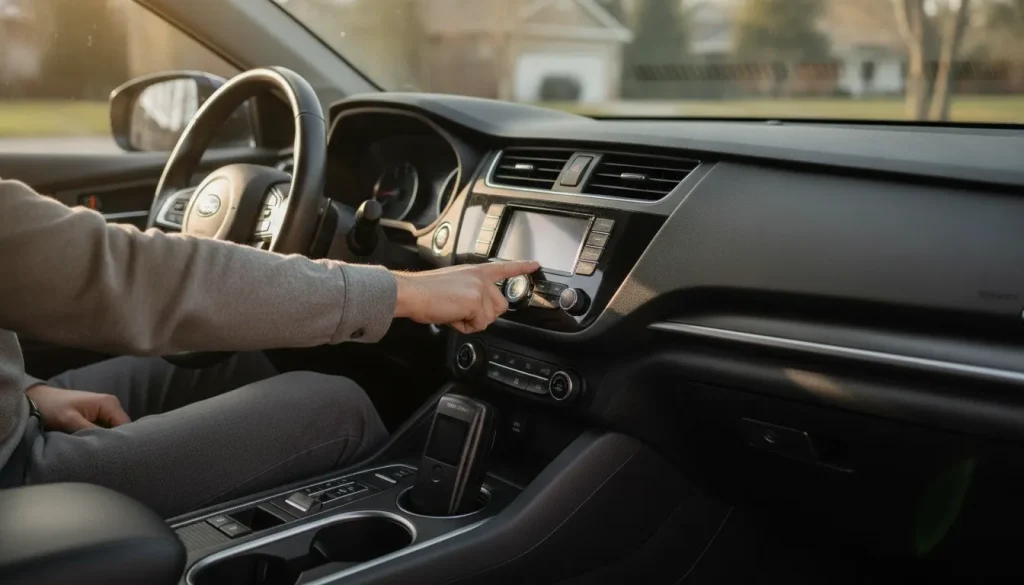
A push-button start can make an ignition interlock installation feel more complicated than it is. The vehicle may not use a traditional metal key, but it still follows an electrical start sequence that a properly installed interlock can control. The important detail is having a trained technician match the device to your vehicle’s ignition and safety systems.
Yes, an interlock device keyless ignition setup can work with many push-button and remote-start vehicles. Before the engine starts, the device requires an alcohol-free breath sample that meets the program’s limit. If the sample does not pass, the vehicle remains locked, helping prevent alcohol-impaired driving.
Remote-start features typically need to be disabled while the device is installed because the breath test must come before driving. Once the installation is complete, you will follow a clear test-then-start routine rather than guessing which button to press or when to test. The next section explains how that sequence connects with a modern keyless ignition.
Contact Budget IID for professional installation guidance.
How an Interlock Device Keyless Ignition Setup Works
An ignition interlock device does not replace your vehicle’s keyless ignition system. It adds a required alcohol screening step before the vehicle can start. The device is connected to the vehicle’s starter circuit, so it can prevent the engine from turning on until you provide a passing, alcohol-free breath sample. This basic safety function is the same whether your vehicle starts with a traditional key or a push button.
The device controls the start authorization
When you enter the vehicle, you first activate the interlock and provide a breath sample. If the sample meets the program’s pass requirement, the device permits the vehicle’s starting sequence to continue. If the sample does not pass, the engine remains disabled. For example, one state safety resource explains that an engine will not start when the breath alcohol concentration exceeds 0.05. Your applicable Arizona requirements and device settings control how the system operates in practice.
This arrangement is designed to stop the vehicle before driving begins, not to shut off a moving vehicle. It gives the driver a clear, repeatable process: test first, receive authorization, then start the car. The Centers for Disease Control and Prevention identifies alcohol ignition interlocks as an effective countermeasure for preventing alcohol-impaired driving and related crashes.
How push-button start changes the installation
Keyless ignition systems use electronic signals rather than a mechanical ignition switch. Pressing the brake and pushing the start button sends a sequence of signals through the vehicle’s control systems. An interlock installed on this type of vehicle must recognize that sequence and interrupt the appropriate starting function without interfering with unrelated electronics. The National Highway Traffic Safety Administration notes that electronic ignition systems can require a specific signal sequence, which is one reason vehicle-specific installation matters.
Modern interlock devices are designed for both push-button-start and traditional key-ignition vehicles. That compatibility is increasingly important as push-to-start technology has become standard in more than 70% of new vehicles since 2022. A properly installed system lets you use your keyless car’s normal controls while adding the breath test at the correct point in the starting sequence. The button does not need to be replaced, and you do not need to convert the vehicle to a keyed ignition.
The key is professional installation. A qualified technician identifies the vehicle’s ignition architecture, connects the device to the correct starter circuit, and confirms that the engine starts only after a valid sample. If your vehicle has push-button start, explain the exact make, model, year, and any remote-start features before scheduling service. That information helps the installer prepare the correct setup and helps prevent avoidable starting or accessory issues.
NHTSA guidance on electronic ignition systems explains why newer vehicles may need an interlock installation tailored to their signal sequence.
Can You Use Remote Start with an Ignition Interlock Device?
Usually, no. Your vehicle’s remote-start feature must be disabled while an ignition interlock device is installed. That can feel inconvenient, especially during cold mornings or hot Arizona afternoons, but it is a normal part of the installation process and does not mean your vehicle is incompatible with an IID.
Remote start allows the engine to turn on without someone sitting in the driver’s seat. An IID is designed to do the opposite: it prevents the engine from starting until the driver provides a passing, alcohol-free breath sample. If remote start remained active, the engine could run before the required test, bypassing the safety purpose of the device. The remote-start restriction is therefore about compliance and sequence, not a sign that the interlock is damaging your car.
The technician will account for this feature when installing the device. A properly installed IID can work with both traditional key ignitions and push-button systems, but the vehicle’s start controls must be connected to the breath-test requirement. The basic compatibility point is supported by the installation guidance summarized in the remote-start and ignition interlock overview.
What to expect during the IID period
- Tell the technician about remote start. Share the vehicle’s make, model, year, and any factory or aftermarket remote-start equipment before installation. This helps the installer plan the correct setup for your vehicle.
- Remote start is disabled. The technician disconnects or deactivates the feature while the IID is installed. Do not try to reactivate it yourself, because an unauthorized change could interfere with the interlock or your compliance requirements.
- Start the vehicle from the driver’s seat. You will turn on the ignition or press the start button only after providing the breath sample requested by the IID. The engine can start when the sample meets the applicable requirement.
- Use the vehicle normally without remote start. The interlock remains part of the starting process throughout the required program period. Follow the device instructions for rolling retests and other required tests.
- Have remote start reconnected after removal. Once you complete the program and the IID is officially removed, a technician can reconnect the remote-start feature. Restoration is handled after removal, not during the active IID period.
If you rely on remote start, plan for that temporary change when arranging installation. Professional setup helps preserve the rest of the vehicle’s keyless functionality while keeping the required breath-test sequence in place.
Push-Button Start and the BAC Test Before Driving: How the Sequence Works
A push-button ignition does not remove the need for a breath test. It changes how the vehicle receives the command to power up and start. With a properly installed ignition interlock device, the test remains the first meaningful step before the engine can run. The process is designed to be predictable, so you can use the vehicle without guessing which button to press or when to provide a sample.
On a keyless vehicle, the device and the vehicle’s electronic ignition system must communicate in the correct order. Electronic ignition systems can require a specific signal sequence to engage the engine, and the National Highway Traffic Safety Administration notes that some older IID models may not replicate that sequence without a manual bypass. A modern installation should account for that requirement rather than asking the driver to work around it. See this guide to proper interlock device keyless ignition use for more practical testing guidance.
- Press the push-button start once to power the vehicle’s accessories. On many vehicles, a single press without the brake pedal powers the dashboard and other accessories without starting the engine. This gives the interlock device the electrical state it needs to begin its start-up process. The exact button behavior can vary by vehicle, so follow the instructions provided during installation.
- Wait for the interlock device to prompt for a breath sample. The handset will indicate when it is ready. Do not blow before the prompt unless your device instructions specifically tell you to do so. Avoid using mouthwash, alcohol-containing products, or other substances immediately before testing, because they may affect the sample and create an unnecessary delay.
- Blow into the device as instructed. Provide a complete sample using the technique demonstrated by the installer. The IID evaluates the breath sample before allowing the vehicle to proceed. It is installed to prevent the engine from starting unless a passing, alcohol-free sample is provided. Learn more about the breath-sample requirement.
- Wait for the result. If the sample meets the device’s programmed limit, the handset will indicate that you may start the vehicle. If the alcohol concentration exceeds the set limit, the engine will not start. One published IID explanation identifies 0.05 as a threshold at which the engine will not start, but the applicable setting and consequences depend on the device and governing program. Do not attempt to drive after drinking, regardless of the result.
- Press the brake and press the start button again. After a passing result, use the normal vehicle sequence to start the engine. The IID sends the required authorization signal through the installed system, allowing the push-button ignition to complete the start cycle. If the vehicle does not respond as expected, stop and contact the installer instead of attempting to bypass the device.
The sequence may feel different from starting a car without an IID, but it should become routine after a few uses. Professional installation is important because the interlock must coordinate with the vehicle’s electronics while preserving the required compliance function. Never modify the wiring or seek a workaround. A problem with the start sequence should be handled by an authorized technician.
Installation Considerations for Keyless and Push-Start Vehicles
A keyless ignition does not make an ignition interlock device impractical, but it does make the installation more system-specific. The IID is wired into the vehicle’s starter circuit so the engine cannot start until you provide the required breath sample. On a traditional key ignition, that connection is relatively straightforward. On a push-button vehicle, the technician must account for the electronic signals that tell the vehicle when to enter accessory mode, prepare the ignition, and engage the starter.
That signal sequence matters. NHTSA explains that electronic ignition systems may require a specific sequence to engage the engine, and some older IID models cannot replicate it without a manual bypass. A professional installer should use a compatible device and connect it without bypassing the safety logic built into the vehicle. This is one reason to choose an experienced provider instead of attempting a do-it-yourself modification. You can read more about installation considerations for push-button-start cars before your appointment.
| Consideration | Push-button or keyless ignition | Traditional key ignition |
|---|---|---|
| Starter connection | The IID must integrate with the electronic starter signal sequence. | The IID is connected to the conventional ignition and starter circuit. |
| Remote start | Remote start is disabled while the IID is installed because the required breath test must occur before starting. | Remote start is also disabled during the IID period for the same compliance reason. |
| Test sequence | Provide a passing sample, then use the vehicle’s push-button sequence as directed by the installer. | Provide a passing sample, then turn the key as directed by the installer. |
| Removal and reconnect | A technician restores the original electronic connections and can reconnect remote start after removal. | A technician restores the original ignition connections and can reconnect remote start after removal. |
Compatibility with hybrids and electric vehicles
Budget IID devices are compatible with all vehicle types, including hybrids and electric vehicles. Compatibility does not mean every vehicle receives the exact same wiring approach. The installer distinguishes the vehicle’s ignition architecture, identifies the correct starter-control points, and confirms that the IID communicates properly with the vehicle before completing the appointment. Low-power technology also helps minimize battery-drain concerns during normal use.
During the IID period, any factory or aftermarket remote-start feature must remain disabled. The reason is functional, not cosmetic: a remote start could start the engine without the driver first completing the breath test. After you complete the program and the IID is removed, a technician can reconnect the remote-start system. Your vehicle does not need to permanently lose that feature.
Protecting the vehicle’s original operation
Proper installation and management follow the safety framework described in NHTSA’s Model Guideline for State Ignition Interlock Programs. The goal is controlled starting, accurate monitoring, and a clean removal process, not a permanent change to the vehicle. If you notice unusual starting behavior, battery symptoms, or other concerns, use this guide to troubleshoot interlock-related vehicle problems and contact your installer promptly.
Before installation, tell the technician about push-button start, hybrid or EV operation, aftermarket electronics, and remote start. Those details help the installer plan the correct connection and explain the exact start sequence for your car.
The Straight Blow Option: A Smoother Test Flow on Your Keyless Car
Using an ignition interlock in a push-button or keyless vehicle should not feel like learning a complicated breathing exercise. Before the vehicle starts, you provide a breath sample through the device. Budget IID’s straight blow option is designed around a straightforward, normal blow rather than a more complicated “suck-back and blow” pattern that some other devices require.
That difference matters during an already stressful period. A DUI requirement can add appointments, paperwork, monitoring obligations, and new routines to your day. The breath test should be clear and repeatable, not another source of uncertainty when you are trying to get to work, take a child to school, or handle an appointment.
What the straight blow option means
With the straight blow option, you blow normally into the device. The operation is blow-only, without requiring a humming or sucking sequence. The design also supports non-circumvention testing, which means the device can use a direct breath sample while preserving the purpose of the ignition interlock: confirming the required breath test before the vehicle can start.
This is a device feature, not permission to skip or alter the testing process. Drivers still need to follow the instructions provided during installation and comply with their monitoring requirements. If the device gives an instruction or warning, follow that instruction and contact your service provider when you need help interpreting it.
Why it can help in a keyless vehicle
Keyless ignition systems use a push-button rather than a traditional metal key, but the interlock still has to be integrated into the vehicle’s starting system. A simple breath-delivery method keeps the driver’s part of the pre-start routine easy to understand: turn on the vehicle’s required systems, provide the requested sample, and proceed only when the device allows the car to start.
The straight blow option does not replace professional installation or change the legal requirements attached to an IID. It is one practical feature that can make daily use feel more natural. During installation, Budget IID can distinguish the vehicle’s push-button or keyless setup and explain how to use the device correctly in that car.
If you are comparing options for a modern vehicle, ask specifically whether the device uses blow-only operation and whether a straight blow option is available. Clear instructions and a predictable test flow can make compliance easier to manage without adding unnecessary complexity to every trip.
Schedule your installation and stay on track with a keyless-friendly interlock in Arizona.
Frequently Asked Questions
Can I use remote start with an ignition interlock device?
Usually, no. Remote start must be disabled while the ignition interlock is installed so the vehicle cannot start before you provide the required breath sample. After the IID program is complete and the device is removed, a technician can reconnect the remote-start feature. Learn more about remote start and ignition interlocks.
How does an ignition interlock device work with a push-button start?
The starting sequence changes slightly, but the basic process is the same: provide a breath sample first, then use the vehicle’s normal push-button controls. The IID is integrated with the starting circuit and enables the engine only after a passing sample. Electronic ignition systems may require a specific signal sequence, so the installation must be matched to the vehicle. NHTSA explains electronic ignition integration considerations.
Will an ignition interlock damage my keyless ignition system?
A properly installed device should not damage the keyless ignition system. The important safeguard is professional installation using the correct wiring and procedure for the vehicle’s push-button, keyless, hybrid, or electric configuration. A qualified technician can confirm compatibility, preserve the vehicle’s normal controls, and explain the test-before-driving sequence.
Do I need to change how I start my car with an IID?
You still use the vehicle’s normal start button, but you must complete the breath test before starting. Turn on the vehicle as instructed, provide the requested sample, and wait for the device to authorize the engine. If the sample does not meet the programmed limit, the engine will not start. Never try to bypass the device or have another person provide the sample.
Contact Us to Get Started
A professional installation can help ensure your ignition interlock works properly with a keyless or push-button-start vehicle while keeping the testing sequence clear. If you have questions about compatibility or the installation process, contact Budget IID to discuss the next step for your vehicle.